Arrive without the scramble. This three-day plan puts the essentials in the right order and leaves room to actually meet your new city.
Day one: make the city feel small
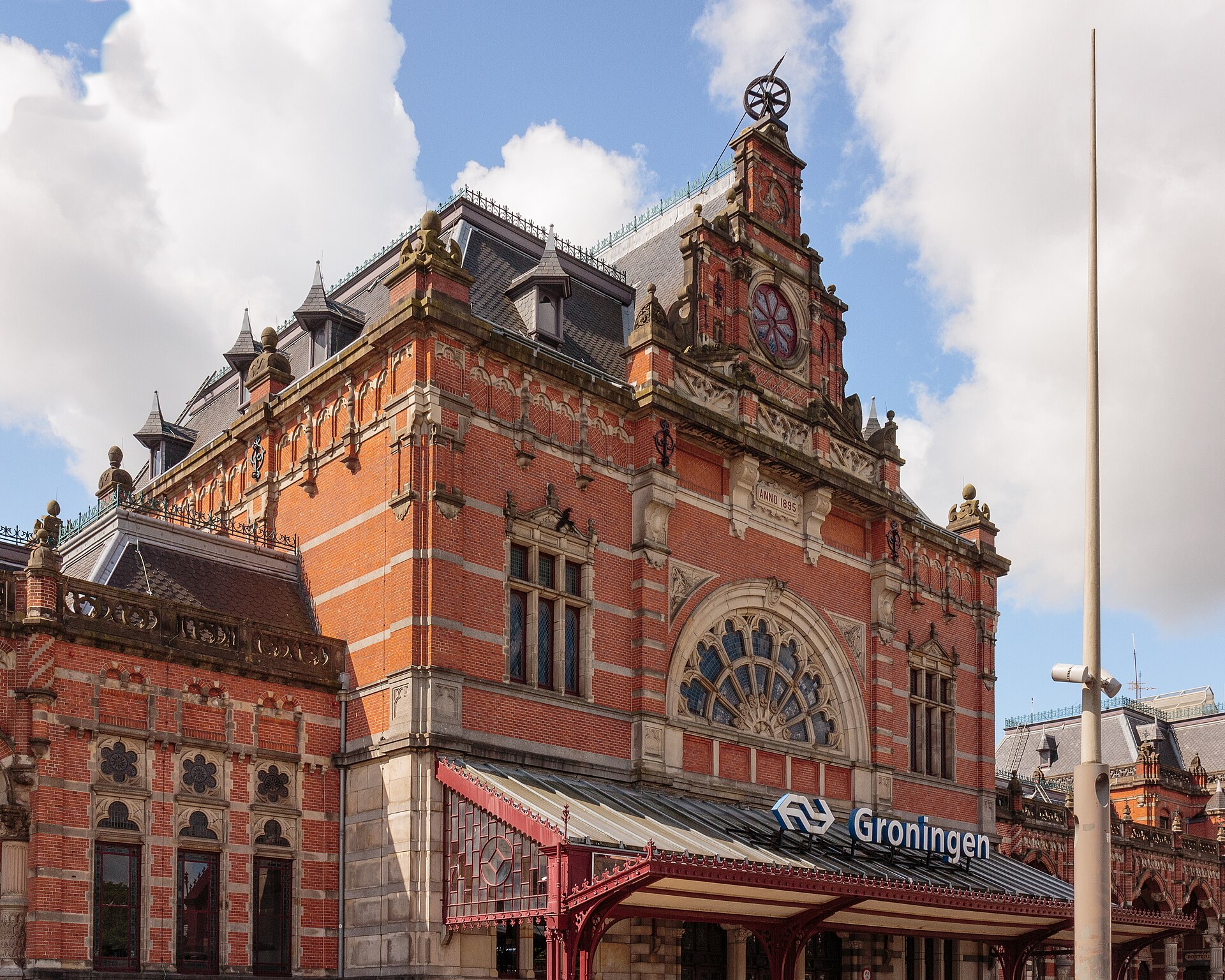
Start at Groningen Central Station and walk or take a bus to your room before collecting anything bulky. Once your bags are down, trace one simple loop: your home, the nearest supermarket, the city centre and the route to your faculty. Groningen becomes reassuringly compact as soon as those four points connect.
Save official addresses and appointment confirmations offline. If you are staying longer, check the municipality’s registration instructions early; the documents and appointment process depend on your situation, so use the official page rather than a social-media checklist.
- Photograph your rental inventory before unpacking.
- Add 112 for emergencies and your insurer or GP details to your phone.
- Learn one landmark route home before your battery runs low.
Day two: choose a bike, not a headache
A bike changes the scale of Groningen, but the cheapest unknown bike is rarely the best deal. Buy from a shop or a seller who can show that it is theirs, test both brakes, lights, tyres and the frame lock, and budget for a second strong lock. Record the frame number and keep proof of purchase.
Parking rules matter in the centre. Use marked racks or facilities and check signs before leaving your bike overnight. A five-minute parking decision is easier than searching for a removed bike later.
Day three: build one good routine
Do one realistic weekday rehearsal: cycle to class, find the building entrance, locate a study spot, and buy a few basic groceries on the way back. You are testing the rhythm, not seeing every sight.
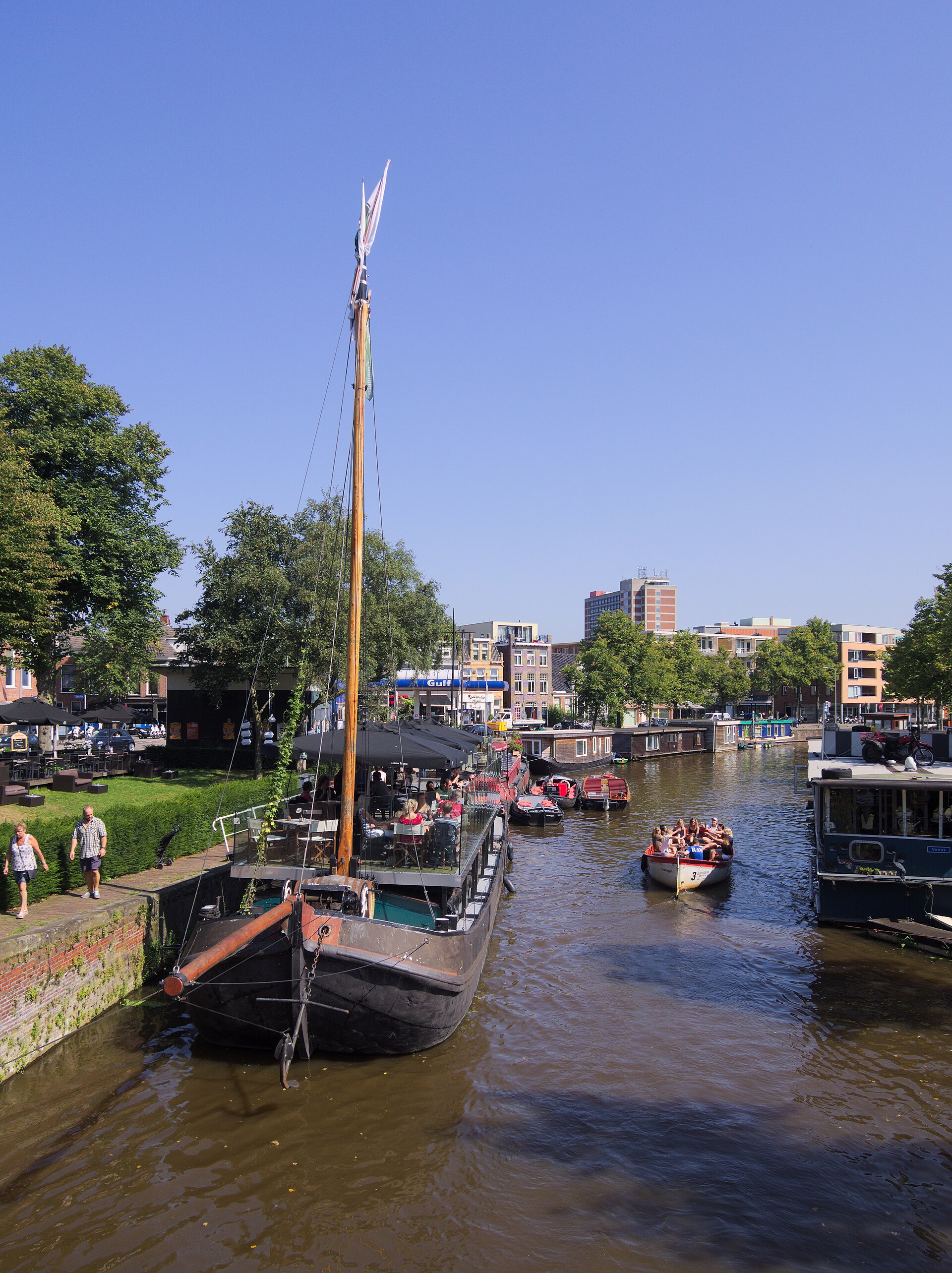
Finish somewhere recognisably Groningen—the Forum roof terrace, the Hoge der A canal or the Noorderplantsoen. Your arrival admin is important, but so is giving the city a first memory that is not a form or a queue.
The first-week version of the plan
Once the first three days are complete, turn the temporary route into a weekly system. Put registration deadlines, faculty introductions and contract questions into one calendar, then choose a fixed hour for groceries, laundry and basic room maintenance. New arrivals often lose time because every small task feels urgent; a recurring slot separates real deadlines from errands that can wait.
Use the first week to test the city at different times. A cycle route that feels easy at noon may be crowded during the morning peak, and a supermarket that looks convenient may be expensive for a full weekly shop. Keep one afternoon deliberately open. It gives you room to solve an unexpected document, housing or health question without cancelling the social plans that make arrival feel worthwhile.
- Confirm the route and entrance for every first class.
- Write down one official contact for housing, study and health questions.
- Plan one low-cost meal and one genuinely enjoyable city stop.
- Review the list after seven days and remove tasks that no longer matter.
Day four: settle the address before it causes five other problems
If you will live in the Netherlands for more than four months, register as a resident in the BRP with the municipality where you actually live. The national deadline is within five days of arrival. The Municipality of Groningen asks new arrivals to make an immigration appointment and lists a valid passport or identity card, a birth certificate if you have not previously been registered, and a rental or purchase agreement among the documents to bring. Start with the city’s Moving to the Netherlands page and compare its list with your appointment confirmation.
If you will stay for less than four months or continue to live abroad, the correct route may be the Non-residents Records Database, or RNI, rather than resident registration. RNI registration is in person and can produce a BSN, but eligibility for a particular desk depends on nationality. Read the official RNI rules before booking Groningen simply because it is nearby.
- Put the appointment time, location and booking reference in your offline notes.
- Bring original documents, not only phone scans.
- Take the complete signed housing agreement and the exact room or unit information.
- Ask when and how the BSN or registration confirmation will be issued; processing time depends on the checks required.
- Check the spelling of your name, date of birth and address as soon as you receive the record.
A BSN is an administrative number, not proof that you have a right to reside or work. Immigration permission, municipal registration, university enrolment and a bank account are separate processes even when they ask for some of the same documents.
Day five: learn the local healthcare route before you need it
International students are not automatically placed in one insurance category. The right policy depends on nationality, age, length of stay and whether you work or complete a paid internship. A study-only student will often use an EHIC or private student policy, while starting paid work can create an obligation to take out Dutch public health insurance. Use the current Study in NL insurance decision guide and ask the SVB for a Wlz assessment when the answer is unclear.
Register with a GP (huisarts) near your address before you are ill. In the Dutch system the GP is the normal first contact and usually provides the referral needed for specialist care. A practice can be full, so call the next suitable practice rather than waiting for an emergency. The University of Groningen maintains a practical health-services guide with local options.
- Life-threatening emergency: call 112.
- Urgent GP care outside normal hours: call Huisartsen Spoedpost Groningen on 0900-9229 from a Dutch number or +31 88 330 1300 from a non-Dutch number. The service covers 17:00–08:00, weekends and public holidays; call before going.
- Routine problem: contact your registered GP during practice hours.
- Prescription medicine: use a pharmacy (apotheek), not only a drugstore (drogist), and bring the prescription and insurance details.
Save the numbers, policy number, medication list and allergies offline. Keep the insurer’s claims instructions too; an EHIC or private policy may require you to pay first and request reimbursement.
Day six: test the backup to your bike
Rain, a flat tyre or a late return will eventually make public transport useful. You can check in and out with a supported contactless payment card or mobile wallet through OVpay without registering first. Use the same physical card or the same device to check out: a plastic card and its phone-wallet version are treated as different cards. Present one card at a time so the reader does not select the wrong one. The NS contactless-travel guide explains the process and links to journey and payment history.
- Plan one bus trip with Qbuzz and one train journey in the NS or 9292 planner.
- Check the live departure board and the platform or stop again just before leaving; work around Groningen Central Station can change walking routes.
- Watch the reader confirm both check-in and check-out.
- If you miss a check-out, correct it in the OVpay app or travel overview instead of ignoring the higher default charge.
- Compare subscriptions only after two or three weeks of real journeys. Contactless travel normally charges the full, undiscounted fare.
Day seven: make the room function as a home
Ask the landlord or main tenant how household waste works at the exact address. Groningen’s collection method differs by street and building. Enter your postcode and house number in the municipal waste calendar to see the applicable collection days and instructions. Ask where the container or collection point is, whether an access card belongs to the room and how bulky waste is handled; do not leave bags or furniture beside a container.
Turn the photographs from day one into a dated inventory. Add close-ups of existing stains, scratches, broken fittings and meter readings, then send the relevant evidence to the landlord or agency in writing. Keep the signed contract, inventory, deposit record and repair messages together. If a rent, deposit, service-cost or landlord problem is not resolved, the Rent Support Center Groningen provides free information, legal advice and mediation to tenants and landlords.
- Test the smoke alarm and learn the building’s exit route.
- Locate the water stop valve, fuse box and laundry rules.
- Report urgent leaks or unsafe electrics immediately in writing and by the emergency channel in the contract.
- Do not transfer a new fee or deposit after an unexpected message until you verify the request through a known contact.
Use Groningen’s cheap routines, not arrival-week prices
Build a weekly food basket and compare the total, not one discounted item. Include breakfast, two simple dinners, lunch ingredients, toiletries and one emergency freezer meal. The central market at Vismarkt, A-Kerkhof and Grote Markt operates on Tuesdays, Fridays and Saturdays from 09:00 to 17:00; it is useful for produce and fresh food, but compare prices and buy only what you can cook before it spoils. Check the municipal market schedule before a public holiday.
Forum Groningen can be a useful free indoor reset: its open spaces include study areas, and the roof terrace gives a 45-metre-high view over the city. The rooftop closes around sunset, with seasonal times, so check the current Forum opening hours rather than planning a late visit from an old post.
A good low-cost week is deliberately repetitive: one market or supermarket shop, one batch-cooked meal, one free study location and one place you visit simply because you like it. That routine makes it easier to see what Groningen actually costs you.
Build a support map with names, not vague institutions
Before the first teaching week ends, identify the person or desk you would contact for each kind of problem. Save the direct page and, where available, the appointment method.
| Problem | First contact | What to prepare |
|---|---|---|
| Course planning, missed classes or study delay | Your programme’s study advisor or academic counsellor | Course codes, timetable and a short factual timeline |
| Well-being, disability or personal circumstances | UG Student Service Centre or Hanze Student Support | The effect on study and any approaching deadline |
| Residence permit or university immigration file | Your institution’s immigration team; IND for the permit itself | Student number, passport and case or application number |
| Rental contract, deposit or service costs | Landlord in writing, then Rent Support Center Groningen | Contract, inventory, payment evidence and messages |
| Health | GP for routine care; out-of-hours GP service for urgent care; 112 for life-threatening emergencies | Symptoms, medication, allergies and insurance details |
Contact the study advisor early when illness, disability or serious personal circumstances could affect attendance, exams or progress. Universities can explain procedures much more effectively before a deadline has passed than after the academic record already shows an unexplained absence.
Keep the bike by following the local removal rules
Use a frame lock plus a second hardened lock through the frame and an immovable rack. Lock the front wheel only if you are willing to return to a front wheel. Record the frame number, brand, colour and several clear photographs; store the receipt separately from the bike.
In Groningen, a bicycle parked where it obstructs access or violates a signed restriction can be removed very quickly—wrongly parked bicycles may be taken after 15 minutes. The municipality currently allows collection from the Ossenmarkt bicycle depot free of charge within the first 24 hours; after that, the listed fee is €25. If the bike is missing, check the municipal removed-bicycle page before reporting theft.
If it was stolen rather than removed, use the frame number and proof of ownership in the police report and insurer claim. A social-media photograph is useful for recognition, but it does not replace an official report.
The first-month review
After three or four weeks, replace arrival guesses with real numbers and routes. Review the previous month’s bank transactions, transport charges, groceries and one-off setup purchases. Separate recurring costs from items such as bedding, a bike lock or a registration extract; otherwise the first month will look permanently unaffordable.
- Confirm that your BRP address, BSN details and institutional record use the same spelling.
- Check that your health-insurance route still matches your situation, especially if you started a job or paid internship.
- Review OVpay or NS journey history for missed check-outs and decide whether a discount product would actually save money.
- Confirm that the landlord acknowledged the inventory and that promised repairs have a written status.
- Choose the safest morning and evening cycle routes rather than automatically using the shortest map suggestion.
- Book one conversation with a study advisor if the workload, attendance or personal circumstances already look difficult.
The goal is not to complete every Dutch administrative system in one month. It is to know which deadlines are real, which people can help, and which weekly habits leave enough time and money to study and enjoy the city.
A compact offline checklist
- Home address, landlord’s verified contact and emergency repair method.
- Faculty address, building entrance and study-advisor page.
- Passport copy stored securely, appointment confirmations and insurance proof.
- Bike frame number, photographs and proof of purchase.
- 112; Huisartsen Spoedpost Groningen: 0900-9229 or +31 88 330 1300; non-emergency police: 0900-8844.
- One walking route home, one cycling route and one public-transport alternative.
Factual review: 27 August 2026. Registration rules, local fees, phone numbers, opening hours and transport arrangements can change. Follow the linked official page for your exact situation before acting.