Before reporting a theft, check whether the bicycle was parked legally, moved within a facility or removed under local rules.
Three missing-bike scenarios look alike
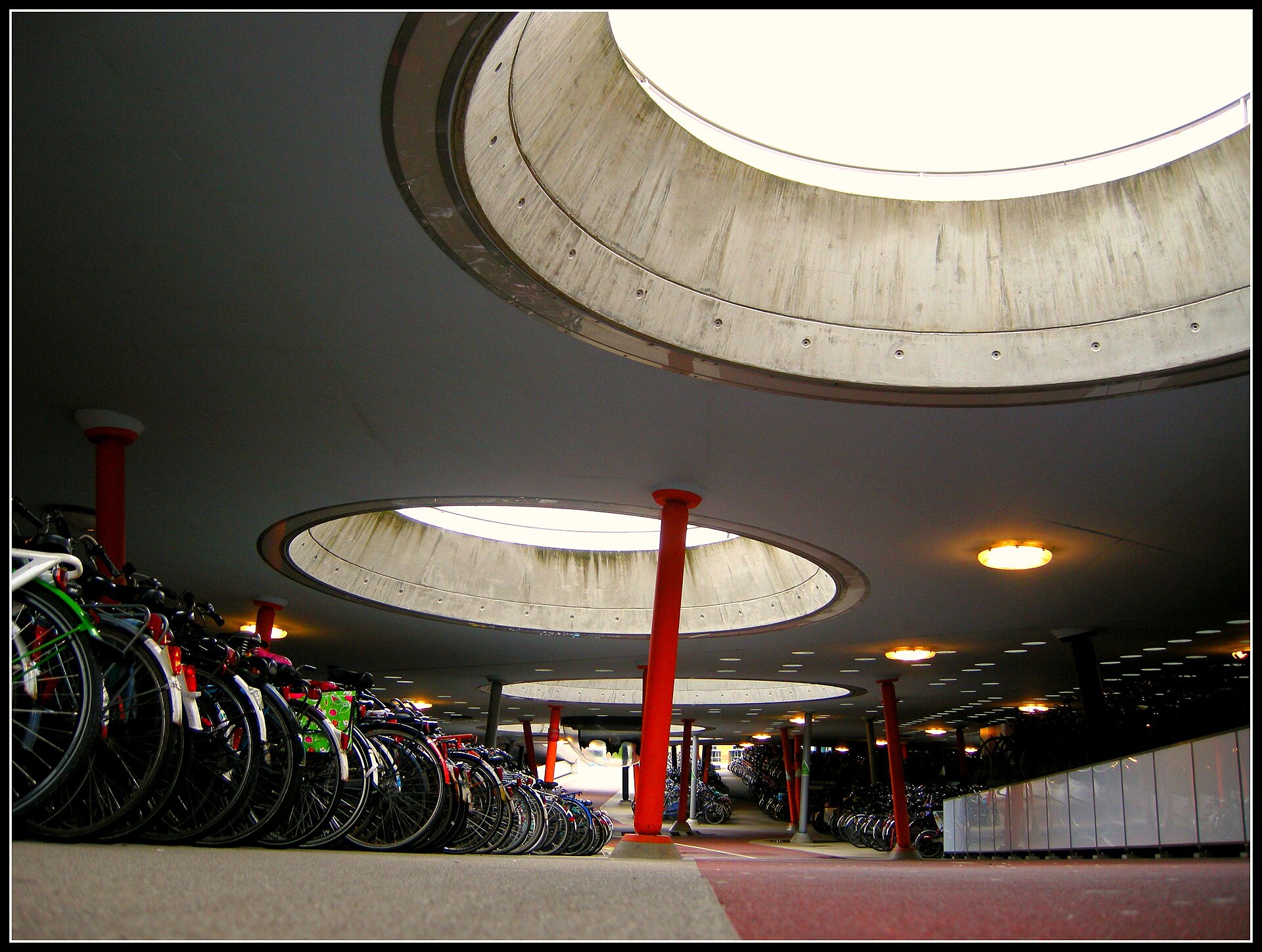
In a dense parking area, the wrong aisle or entrance can make a bicycle appear stolen. In restricted locations, municipal enforcement may remove incorrectly parked or abandoned bikes. Theft is a third possibility, and each route asks for different information.
Start with the exact place, time, frame number, lock and a recent photograph. Check signs and the municipality's bicycle-parking guidance, then use the official removed-bike or reporting process that applies.
The cheapest prevention is documentation
Record the frame number on purchase day, keep proof of ownership and photograph where you park in large facilities. Lock the frame to an approved fixed point when permitted. Documentation will not stop removal or theft, but it makes a search, collection or police report materially easier.
A step-by-step search before replacing the bike
Return to the parking location in daylight and search from the entrance you actually used. Large facilities can have multiple levels and visually identical rows. Check whether maintenance, construction or enforcement signs were present, then follow the municipality's current instructions for removed bicycles. Bring proof of ownership and identification if collection is required.
If the official route produces no match and theft remains likely, make a report with the frame number, photograph, distinguishing marks, lock type and last known time. Alert an insurer through its stated process before buying a replacement. Public posts may help recognition, but do not accuse a person or seller without evidence and never arrange a confrontation over a suspected bike.
- Search nearby approved racks as well as the exact row.
- Check whether another household member borrowed the bike.
- Keep collection fees and deadlines from the official notice.
- Update the saved photograph after changing baskets or accessories.
Use the first ten minutes to reconstruct the parking event
Do not begin with a citywide search. Stand at the entrance you used and reconstruct the final minute of the journey. Which side did you approach from? Did you go up or down a level? Was the bicycle beside a numbered row, a lift, a mural, a platform entrance or a shop? Check the last photograph, navigation history, payment or check-in record and messages sent at the time. These may narrow the search without revealing private account details to anyone else.
Look for the bicycle's accessories before relying on colour alone. A black city bike is easier to identify by a bent basket corner, child-seat mount, coloured valve caps, tape on the mudguard or a particular lock. Search one complete row at a time and mark it in your phone. Randomly walking between aisles produces the feeling of a thorough search without the result.
Identify who controlled the parking space
The correct recovery route depends on the space, not merely on the fact that it was near Groningen station or the city centre.
| Where the bicycle was left | First check | Next route |
|---|---|---|
| Public rack, bicycle bay or street facility in the municipal area | Municipal parking signs and the removed-bicycle database | Ossenmarkt or Ulgersmaweg instructions shown for the listed bicycle |
| NS-managed guarded or self-service storage | The exact NS facility, check-in method and row | Ask the facility or NS service route about removal and access records |
| University, employer or residential storage | Reception, security, caretaker or property manager | Ask about internal moves, maintenance and available camera coverage |
| Shop, venue or temporary event racks | Temporary parking signs and closure times | Contact the site operator before assuming municipal removal |
Do not report a municipal rack problem to NS simply because the rack is near a station entrance. Conversely, the municipal depot may have no record of a bicycle removed under a private building's rules. Write down the operator named on the nearest sign.
Check Groningen's two depot routes before reporting theft
The current Groningen municipality page directs bicycles removed from the city-centre parking area to Fietsdepot Ossenmarkt, where collection is free during the first 24 hours. Bicycles listed for Fietsdepot Ulgersmaweg must currently be collected within four weeks, for a fee of €25. Opening hours and collection instructions can change, so check the individual listing before travelling.
Search the linked Groningen bicycle results on Verloren of Gevonden by more than one description. Try the brand, main colour, bicycle type and date range separately. Depot photographs may be taken from an unfamiliar angle and removable accessories may no longer be attached. Save the object or registration number when you find a possible match.
Take the listing details, identification, bicycle keys and any proof of ownership requested by the depot. A receipt, frame-number photograph or earlier image of you with the bicycle is more useful than a general description. Do not travel to a depot solely because a social-media comment says all removed bikes go there; follow the location in the official match.
Know the difference between 12 days and 28 days
In Groningen's red city-centre and station area, the municipal rule is to park only in a rack, marked bicycle bay or bicycle facility and for no more than 12 days. In the pink-hatched area around the centre, the published maximum is 28 days. A bicycle may therefore be removed even when it is locked and does not look abandoned to its owner.
NS publishes a separate maximum of 28 consecutive days for bicycles inside its guarded or self-service storage facilities. Most NS facilities are free only for an initial period—often the first 24 hours—and site-specific prices apply after that. The NS rule does not replace the municipal 12-day limit outside the facility. Record which side of the entrance or gate you used.
Build a one-minute ownership file before anything disappears
Keep a private record that can be opened without the bicycle in front of you. It should contain:
- Brand, model, type, colour and approximate purchase date.
- The complete frame number, typed and photographed clearly.
- Receipt, marketplace advert or another proof of purchase.
- Full-side photographs from both sides and close-ups of distinctive damage or stickers.
- Lock brand and type, plus the number of original keys you received.
- For an e-bike, the battery, display and key numbers where available.
- Insurer, policy number and the claim instructions—not the account password.
The Dutch police note that a frame number is commonly engraved underneath the frame and may also appear on the dealer's ownership document. Photograph it while the bicycle is clean and readable. Store the file somewhere other than a bag left on the bicycle.
Report theft as soon as the depot check is negative
Dutch police guidance explicitly tells owners to check the municipal bicycle depot first. If the bicycle is not listed and theft remains likely, make a police report. An online report is possible through the official police route; a person who prefers an appointment can call 0900-8844, the non-emergency police number. Call 112 when you are witnessing a theft or an immediate attempt in progress, not when you discover hours later that the bicycle has gone.
Give a narrow last-known window rather than “sometime this week”. Include the exact rack or facility, frame number, brand, model, colour, distinguishing marks, lock type, recent photograph and any broken-lock evidence. The police also recommend bringing identification, the purchase receipt and insurance papers. Once a report is filed, the bicycle can enter the national bicycle-theft register, which improves the chance that a recovered bicycle can be linked to its owner.
Save the report or case number. Send that identifier to the insurer and to a facility only through its official channel; do not post a complete report containing your address or document numbers publicly.
Preserve the scene without turning it into an investigation
Photograph a cut lock, cable fragments, an empty fixed point or damage around the rack before moving anything. Note nearby cameras and ask the facility, university, shop or property manager how footage requests are handled. Give them the smallest useful interval—for example 14:10 to 16:00—because “all afternoon” is harder to preserve or review.
Do not demand a copy of footage or publish images of possible suspects. Camera operators have privacy and retention rules and may provide relevant material directly to the police. Your useful task is to identify the camera, operator, exact place and time, then add that information to the report quickly.
Treat tracker data as evidence, not an invitation
If an e-bike app or separate tracker reports a location, take screenshots showing the time, map and device identifier and update the police. A moving or indoor location may be imprecise. Do not enter private property, follow a person or organise a confrontation to recover the bicycle. The tracker helps police assess a lead; it does not give the owner enforcement powers.
After a theft, change access to any connected-bike account if the bicycle display or documentation could expose it. Remove the battery key, detachable display and other valuable accessories whenever the manufacturer and parking situation allow. The Dutch police specifically advise taking loose e-bike displays and battery keys indoors.
Contact the insurer before replacing evidence
Insurance conditions are contractual and differ by policy. Use the insurer's own checklist and deadline. It may ask for the police report number, proof of purchase, frame number, photographs, lock information and original keys. Preserve all keys and any broken lock parts until the claim is resolved. Do not buy a replacement on the assumption that reimbursement is automatic.
Separate the bicycle from accessories in the claim record. A battery, child seat, pannier or phone holder may have different coverage or proof requirements. Record temporary transport costs only if the policy asks for them. If the bicycle reappears after a claim has been paid, contact the insurer before collecting, selling or repairing it because ownership and reimbursement obligations may have changed.
If the bicycle was borrowed or rented, call the owner first
A missing OV-fiets, subscription bicycle or rental bicycle is not handled like a personally owned bike. For a stolen OV-fiets, NS currently instructs users to contact customer service immediately to stop the rental and then email info@ov-fiets.nl with the subject “OV-fiets gestolen”, including the bicycle number or OV-chipkaart number, rental location, and date and time of theft. Follow the operator's instructions for the police report and charges.
For a private subscription or university loan bike, use the contract contact and bicycle ID. Do not quietly replace a rented bicycle with a similar used one: the frame number, service history and legal owner will not match.
Search resale listings without creating a confrontation
Search by unusual features, not only “black Gazelle”. Save the listing URL, screenshots, seller profile, date and the advertised frame number if visible. Pass a credible match to the police with the report number. Do not arrange a test ride under a false identity, accuse the seller in public or attempt to seize the bicycle.
When buying a replacement, ask for the frame or serial number before paying and check it through Stop Heling or the RDW bicycle-theft register. The police recommend these checks for used bicycles. A search with no result means only that the number was not found in that database at that time; it does not prove the seller owns the bicycle. Keep a written receipt identifying the bicycle and seller.
Use two locks without creating a removal problem
Dutch police advice is to secure at least the frame to an immovable object and to use good locks, preferably two different types. Where the facility permits it, include the frame and a wheel rather than locking only a removable front wheel. Keep a chain or cable high enough that the ground cannot easily be used as leverage.
That advice does not override local parking rules. In Groningen's restricted areas, use an approved rack, marked bay or facility; attaching a bicycle to railings, signs or other street furniture can obstruct others and may lead to removal. The correct prevention system is a legal space plus strong locks, not a strong lock in a prohibited location.
A practical 30-minute missing-bike protocol
- Minutes 0–10: reconstruct the entrance, level and row; search systematically and check whether someone authorised borrowed the bicycle.
- Minutes 10–20: identify the parking operator, read current signs and search the Groningen removed-bicycle listings with several descriptions.
- Minutes 20–30: photograph evidence, note cameras and assemble the frame number, receipt, keys and recent bicycle images.
- After the depot check: if no match exists and theft is likely, report it promptly through politie.nl or 0900-8844. Use 112 only for a theft or attempt happening now.
- After the report: save the case number, contact the insurer or rental operator and send tracker or camera information to police through the official route.
Keep checking the depot database and legitimate resale channels after reporting, but do not delay the report simply because a depot photograph might appear later. If the bicycle is found, tell the police and insurer so their records can be updated.