Start with the architecture, choose one exhibition slowly and leave enough attention for the unexpected room.
Begin outside the collection
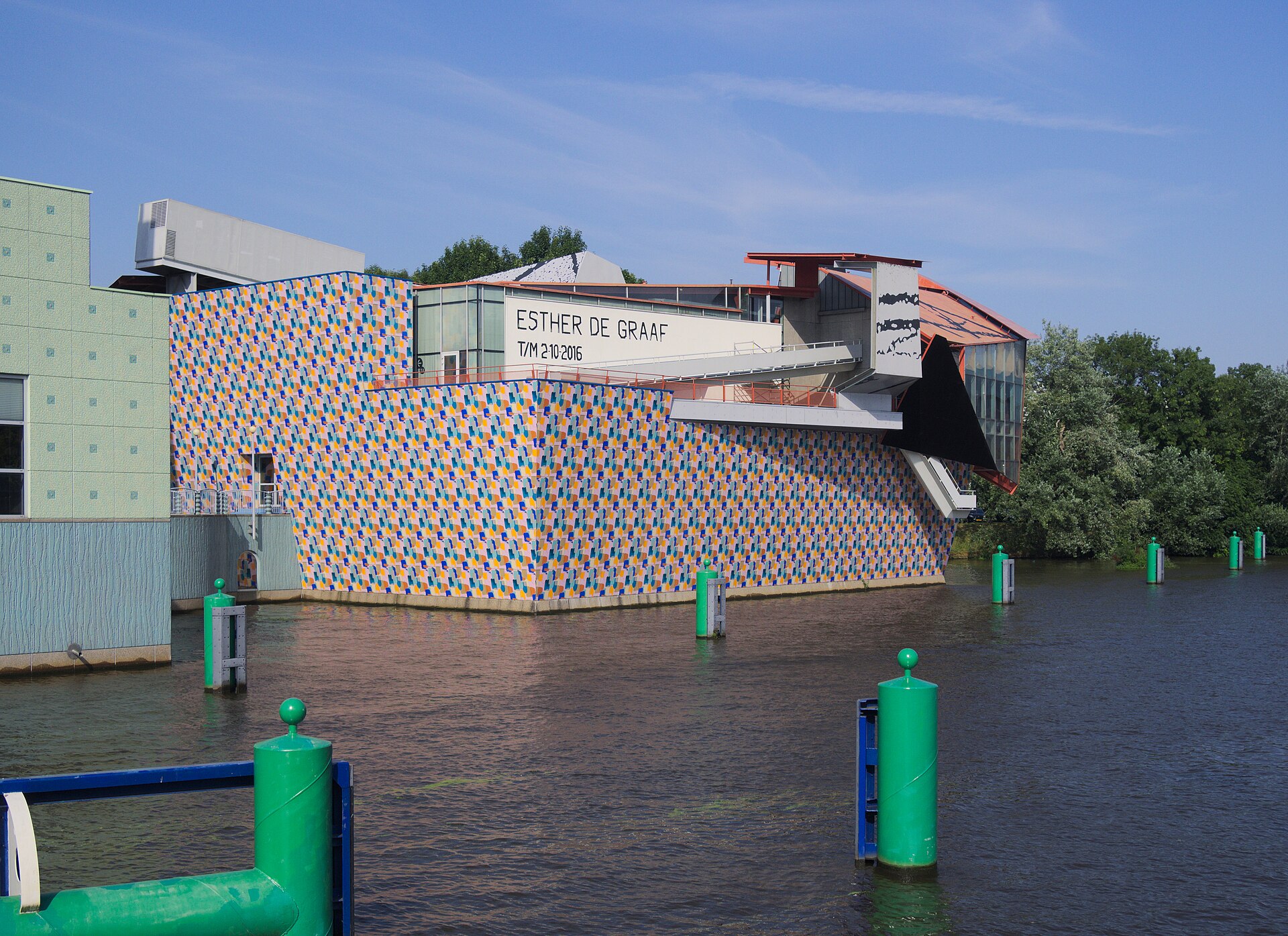
The museum sits in the water between Central Station and the centre, so the building is already part of the visit. Walk around it before entering and notice how separate volumes, colours and materials turn the crossing into an arrival sequence. The design rewards disagreement; you do not need to decide immediately whether it is beautiful.
Check the current exhibition list, opening hours and ticket conditions on the museum's own website. Student discounts and access arrangements can change, and some programmes need a timed reservation.
Choose depth over coverage
Pick one exhibition as the anchor and allow yourself to skim the rest. Read the introductory text, then spend longer with three works that hold your attention. Finish with a short note or photo of the title card where permitted; it is a better memory than racing through every gallery.
Give the exhibition a second layer
After the first walk through, return to one work and compare your initial response with the curatorial text. Ask what material, scale or placement changes the way you encounter it. Contemporary exhibitions often make more sense through relationships between works than through a search for one correct interpretation.
Check whether a talk, student programme or audio resource is available on the day. These can add context without requiring specialist knowledge. If you sketch or take photographs, follow the room's rules and do not block other visitors. Before leaving, look back at the building from the station bridge; the museum's position in the water is part of the architectural argument.
- Allow at least one unplanned room.
- Put bags and coats where the museum requests.
- Keep a note of artists you want to research later.
- Check accessibility information before travelling with specific needs.