A self-guided route that explains why Groningen feels historic and experimental at the same time.
Start with contrast at Nieuwe Markt
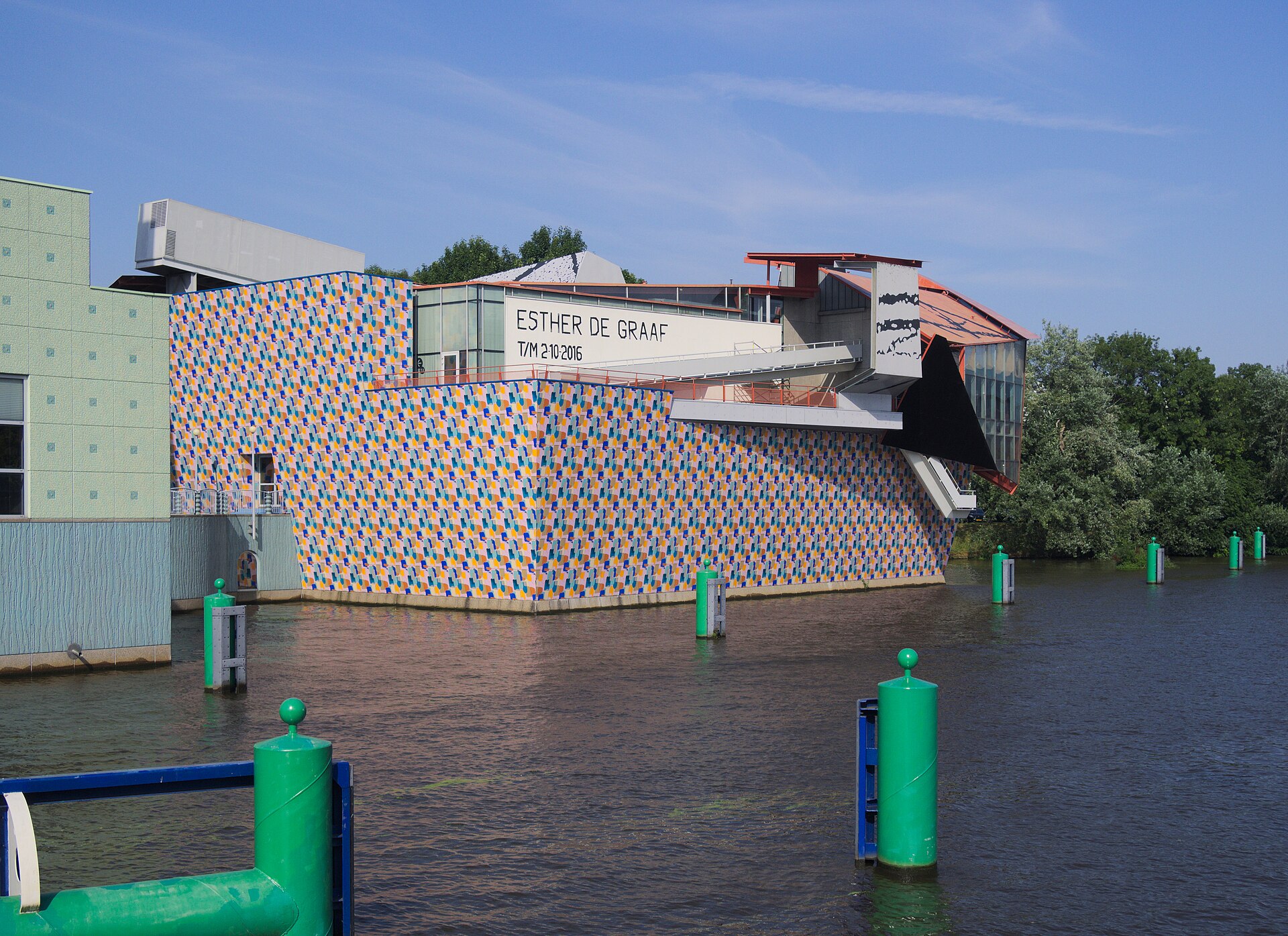
Begin outside Forum Groningen and step far enough back to read its stacked, angular volume against the finer grain of the old centre. Go inside and rise through the building before looking back from the roof. The view turns the rest of the walk into a map.
Cross Grote Markt to the Martinitoren
Walk past the Martinitoren and notice how the square changes scale around it. The tower has survived fire, lightning and conflict; today it remains the city’s dominant historic marker. If you climb it, allow extra time and check official opening information first.
Continue west through Broerstraat and Academieplein, where university life occupies a much older urban frame.
Finish in the quiet courtyards
Turn north toward the hidden hofjes and former almshouse courtyards around Hortusbuurt. These are residential places, not sets: enter only where access is clearly permitted, keep voices low and never photograph through windows.
Return along Hoge der A for warehouses, houseboats and water-level views. In two hours, the route moves from civic spectacle to domestic quiet—the range that makes Groningen’s centre so rewarding on foot.
Turn the walk into a way of reading the city
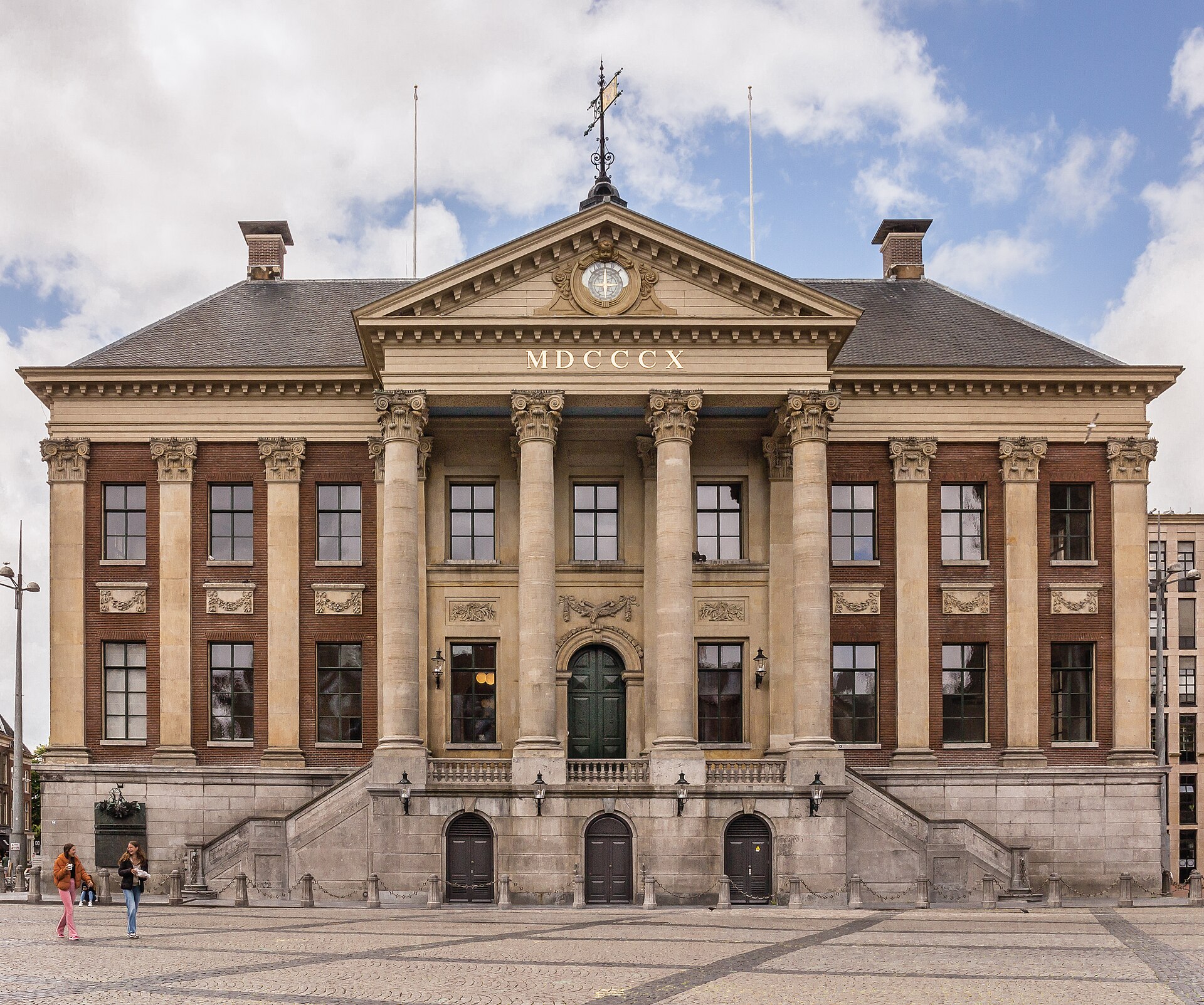
At each stop, look for the relationship between the building and the street before searching for a date or architect. Where is the entrance, how does the ground floor meet pedestrians, and which material continues into a neighbouring block? Forum Groningen, the Goudkantoor and the Martinikerk answer those questions in radically different ways, yet each depends on the public square around it.
Repeat part of the route after sunset or in poor weather. Lighting, shelter and movement reveal functions that a bright architectural photograph hides. Keep private homes and active workplaces out of close-up photography unless permission is clear. A useful architecture walk explains how people use the city, not only how isolated facades look in a collection of images.
- Photograph one wide context view before any detail.
- Notice bicycle parking, benches and delivery access around landmarks.
- Compare an adapted historic building with a purpose-built contemporary one.
- Check current public access before planning an interior visit.