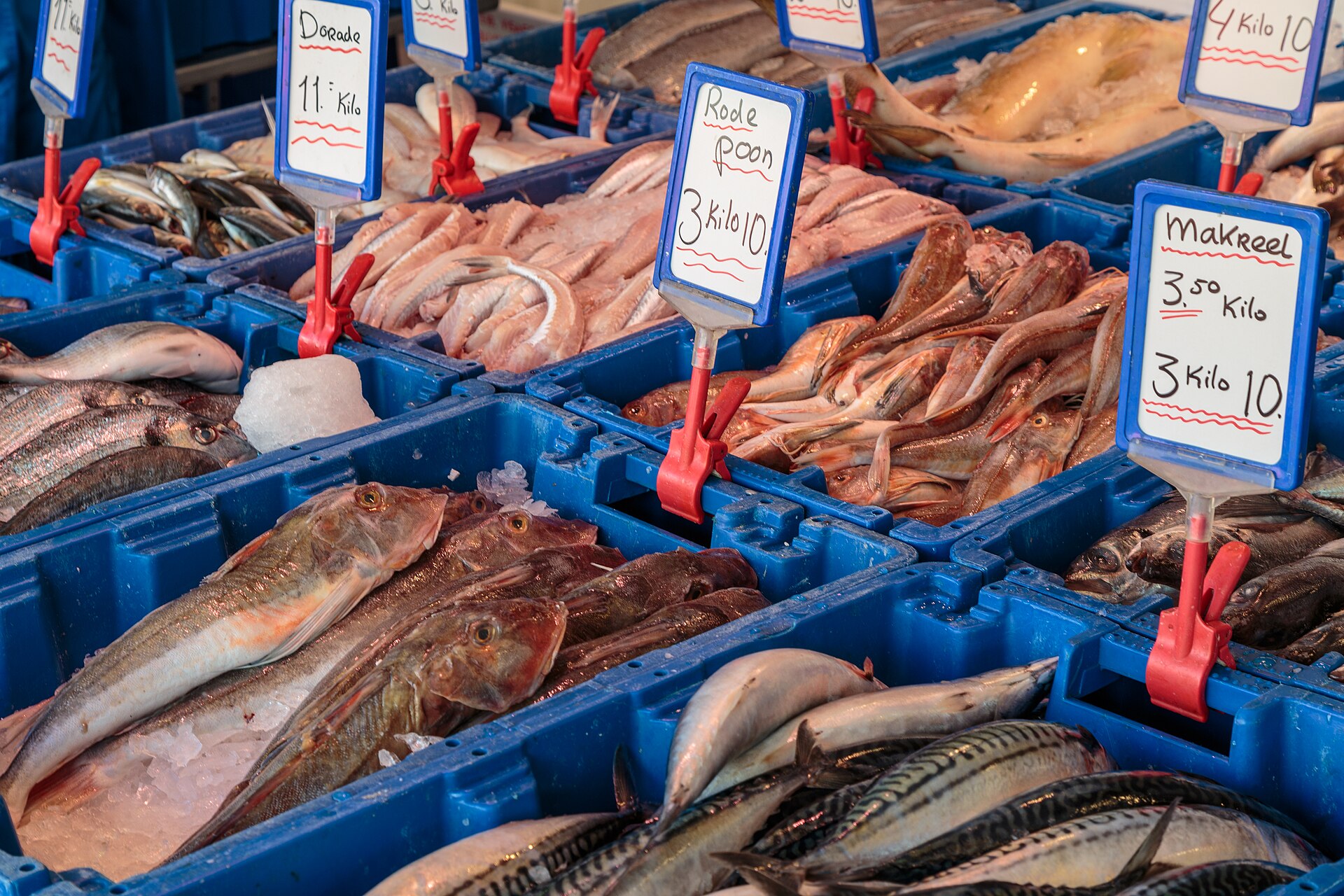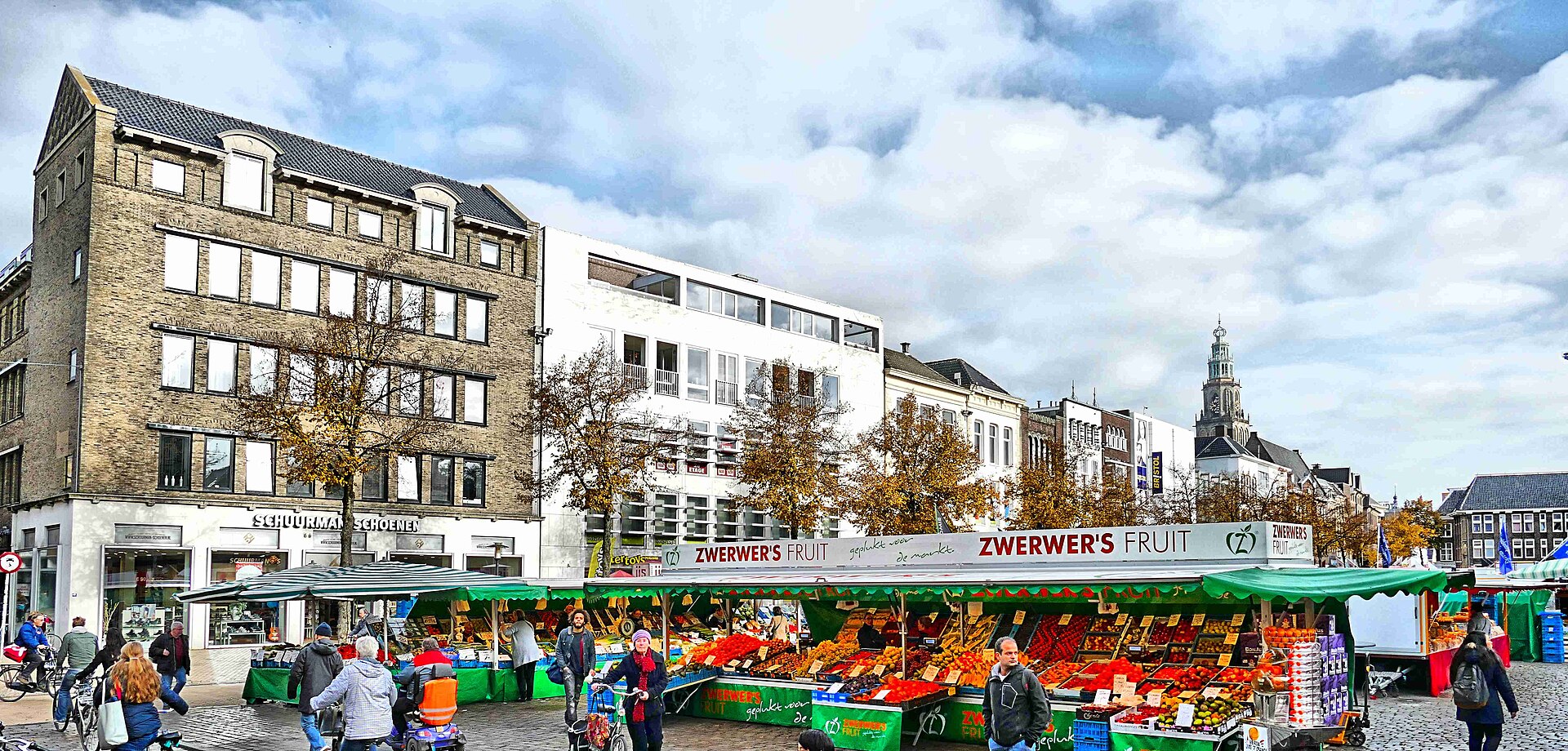
The market can stretch a student budget when you arrive with a base ingredient, a price limit and room for one seasonal surprise.
Plan three connected meals
Choose one flexible base—potatoes, rice, pasta or bread—then add two vegetables, a protein and one flavour ingredient that can cross between meals. A tray of roasted vegetables can become dinner, tomorrow's lunch and the filling for a quick sandwich without feeling identical each time.
Check the market's current days and hours before travelling. Compare the total price and usable quantity, not only the loudest offer, and leave enough fridge space before buying in bulk.
Use the final ten minutes deliberately
After the essentials are covered, spend the remaining budget on one seasonal item you genuinely want to try. Bring a bag, carry fragile produce separately and photograph the price if a shared-house purchase will be divided later. The successful market trip is the one that becomes food, not compost.
Store the market haul before it loses value
When you return, wash only produce that benefits from immediate preparation and let it dry before storage. Separate items that release moisture or speed ripening, portion large purchases and place the most perishable ingredients at eye level. A ten-minute reset makes it far more likely that the planned meals happen in the intended order.
For a shared house, write the total cost and agreed shares immediately. Decide whether ingredients belong to one meal, one person or the household; ambiguity produces both waste and resentment. Freeze suitable portions before everyone becomes tired of the dish, and use scraps in stock, sauce or a flexible lunch only when food-safety conditions are clear.
- Bring containers for fragile or wet items.
- Check damaged produce before buying a large quantity.
- Plan the first meal around the shortest-lived ingredient.
- Compost or sort unavoidable waste through the local system.