A low-drama evening guide to meeting points, live music, club streets and getting everyone home.
Start somewhere you can hear each other
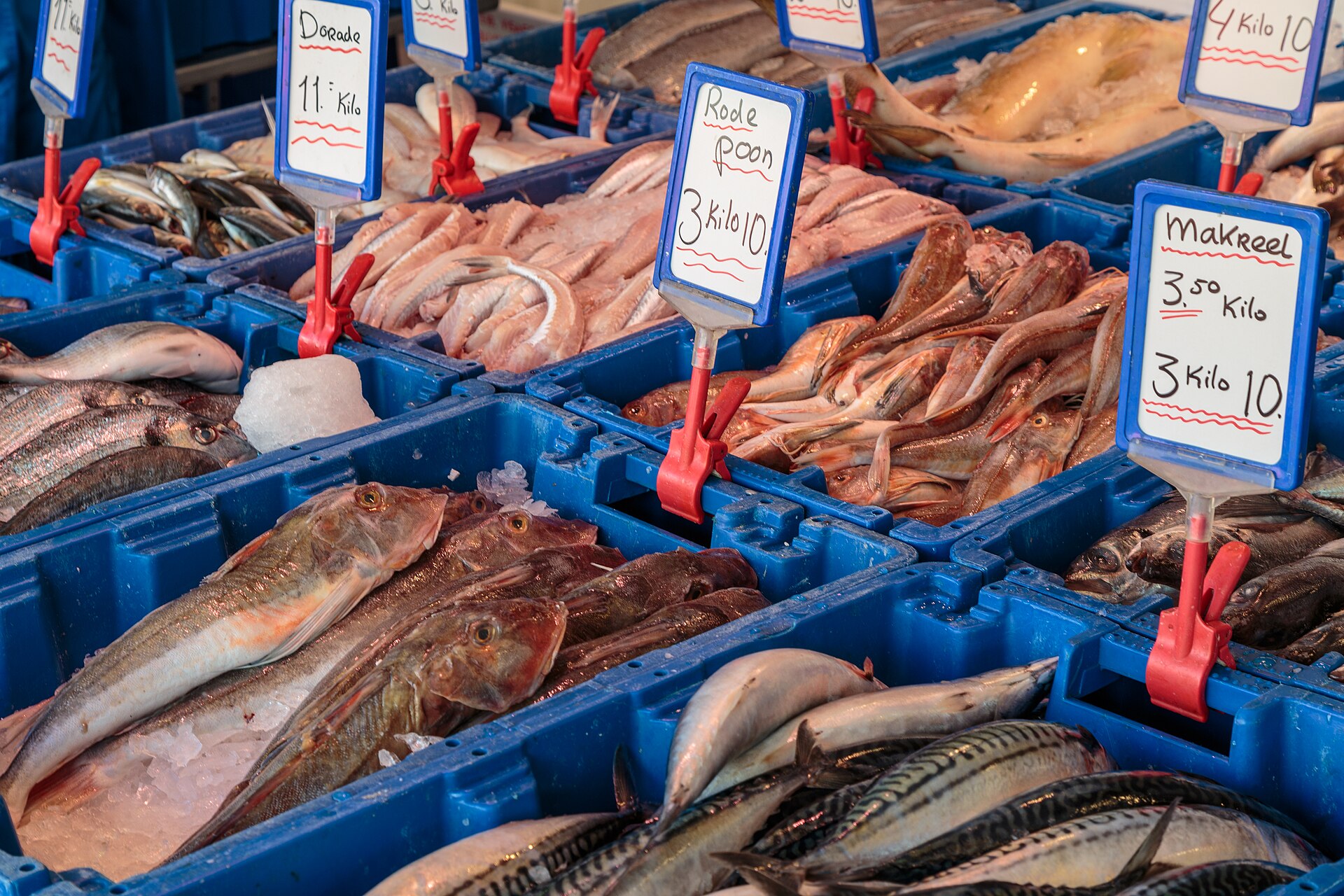
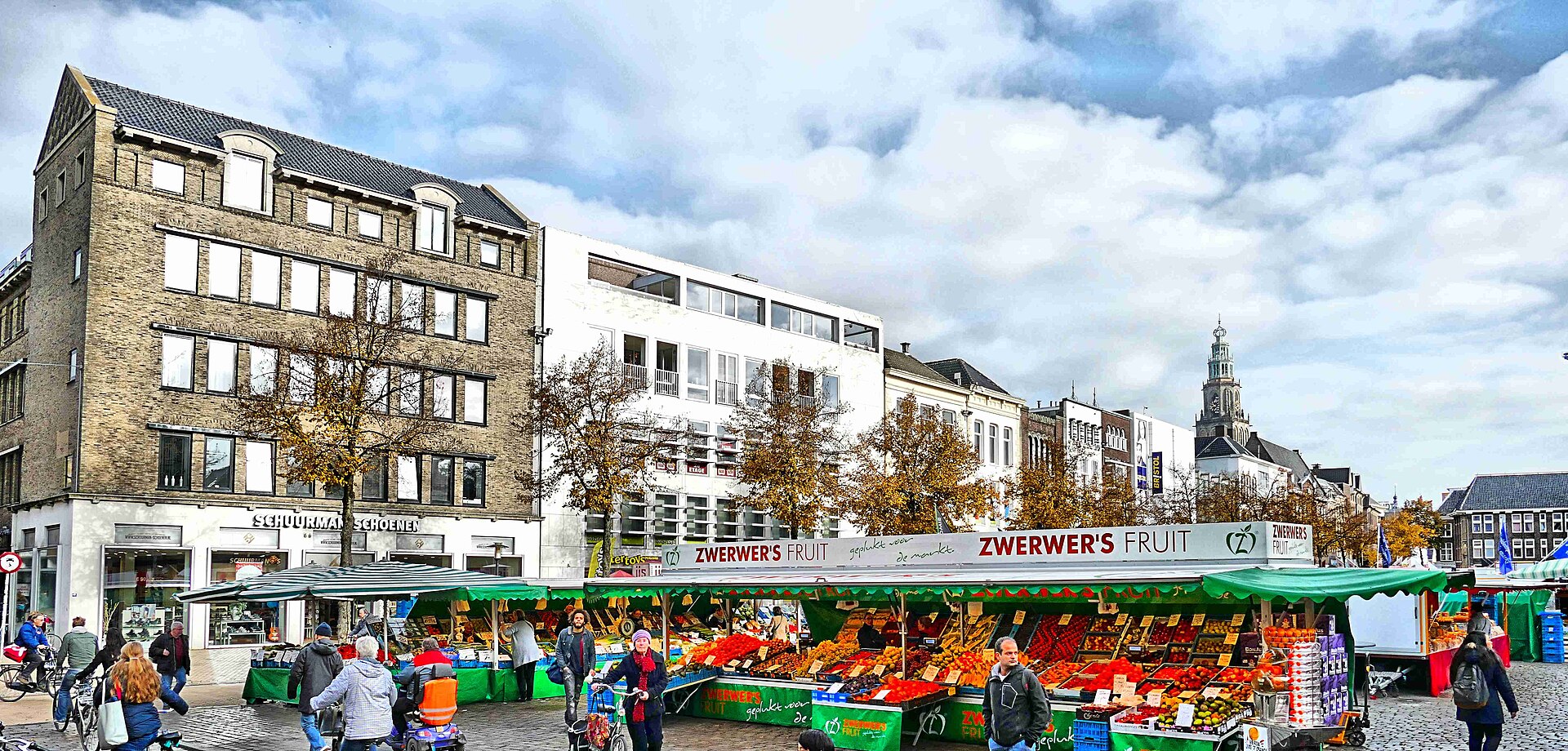
Meet at a café or bar slightly before the busiest hour. It gives late arrivals a fixed point and lets the group decide whether the night needs live music, dancing or simply another table. The Grote Markt and Poelestraat are obvious anchors, while the Vismarkt, Hoge der A and smaller streets away from the main nightlife axis can provide a calmer first stop.
Choose a meeting point that can be described without a moving map pin: the venue entrance, a named side of the Grote Markt or a specific bicycle-parking entrance. Set a latest meeting time as well. If the group has not assembled by then, the people present should be able to continue without spending the next hour coordinating through messages.
The first stop should solve three practical questions before anyone orders another round: where the main event is, how each person can get home independently and whether tickets or identification are required. In the Netherlands, alcohol may only be sold to people aged 18 or older, and buyers must be able to prove their age. A venue or door team can also apply an event-specific age rule, so check the organiser's page rather than assuming that every night at the same building has identical admission.
Choose one direction, not six venues
A good night does not need a venue checklist. Pick one ticketed show or one area and let the rest be optional. Check the organiser's current programme, door time, start time, age rule, bag policy and ticket terms directly; aggregated listings and screenshots are useful for discovery but unreliable when an event changes.
| Anchor | Address or area | Best use | Check before leaving |
|---|---|---|---|
| Grote Markt, Poelestraat and Peperstraat | Central nightlife area | A flexible bar or dancing night without one headline event | Current opening, door policy and the bicycle-parking location |
| VERA | Oosterstraat 44 | Underground concerts, Downstage shows, films and club nights | The exact event page; opening hours follow the programme |
| Simplon | Boterdiep 69 | Pop, rock, hip-hop, electronic music and dance events | Ticket, room, doors, accessibility and house rules |
| SPOT / De Oosterpoort | Trompsingel 27 | Larger concerts, festivals and seated or standing performances | Which hall, assigned or free seating and indicated finish time |
| SPOT / Stadsschouwburg | Turfsingel 86 | Theatre, comedy, dance and seated performances | Start time, language information and late-entry conditions |
These venues operate at different scales. At the time of checking on 28 August 2026, VERA's near-term listings included several tickets from €5 to €18, but that is a programme snapshot rather than a permanent price range. A low ticket price can make live music an affordable centrepiece; it does not mean that the drinks, cloakroom, food and return journey are included.
Turn the ticket into an actual timetable
Work backwards from the published start, not from the time the group hopes to leave home. If doors open at 20:00 and the support act starts at 20:30, agreeing to meet at 20:15 creates an avoidable conflict between late arrivals and the people who bought a ticket to see the full programme. Add time for the queue, ticket scan, cloakroom and finding the correct room.
- Open the event on the venue's own website and save the current door and start times.
- Download the ticket to the phone wallet or save it offline; do not rely on mobile reception at the entrance.
- Check whether the ticket names a room, entrance, age limit or assigned seat.
- Set the group meeting at least 30 minutes before the performance begins.
- Choose the after-show decision point in advance: one nearby stop, a direct journey home or no fixed plan.
If a ticket is sold out, use only the resale route recommended by the organiser or original ticket provider. A screenshot is not proof that a barcode remains valid; the same image can be sent to several buyers, and only the first scan may work.
Build the budget before contactless payments begin
Set one total for the evening and divide it into five lines: ticket, drinks, food, cloakroom or small fees, and transport home. Keep emergency transport money outside the amount available for rounds. If the final bus has gone or cycling is no longer safe, the group should not have to choose between an unsafe journey and an overdrawn account.
Decide how rounds work before the first one. Equal rounds are simple only when people drink at a similar pace and price. Otherwise, individual payment or an immediately settled shared receipt is fairer. Do not pressure someone to 'catch up' because another person bought a drink they did not request.
- Eat a proper meal before the late part of the night.
- Alternate alcoholic drinks with water when drinking alcohol.
- Check the price before agreeing to shots, large rounds or delivery.
- Review the banking total once during the evening, not for the first time next morning.
Park the bike for the route home, not the route in
Groningen's municipality instructs cyclists to use a rack, marked bicycle area or dedicated bicycle-parking facility. City-centre bicycle facilities are free, while a bicycle left outside the permitted system can be removed. Around the busiest central streets, take a photograph of the entrance or row and save the location before walking away.
Large facilities near Grote Markt and Nieuwe Markt can be more reliable than attaching the bicycle to the first object near a bar. Check the municipality's current map and the facility's access information before choosing one as the group's universal meeting point. Do not block another bicycle, an emergency route, a shop entrance or tactile paving.
Use both a frame lock and a strong second lock through the frame and an approved fixed point when the parking design allows it. Remove detachable lights and valuables. A photograph is useful for finding the row later, but it is not a substitute for recording the frame number and keeping proof of ownership.
Make the last bike the easy decision
Decide the return options while everyone is still clear-headed. Check 9292 shortly before departure for a live public-transport route; a bus that worked earlier in the evening may not run after the final venue. Keep the address of the accommodation available offline and enough phone battery and money for an independent taxi or walking route.
Dutch traffic rules apply to cyclists as road users. The legal blood-alcohol limit is 0.5‰ for cyclists, but that number is not a target or a reliable personal drink count: body size, food, time and individual metabolism change the result, while tiredness can make riding unsafe even without exceeding a legal limit. The practical rule is simpler: if balance, attention, judgement or reaction time may be affected, lock the bicycle and collect it later.
Walking, current public transport or an official taxi is a successful end to the night, not a failed one. Do not ride on the pavement, carry a passenger on an unsuitable bicycle or let group pressure decide that someone is 'fine enough'. A friend can accompany the person without turning the bicycle into the transport plan.
The group plan that prevents most problems
Before leaving the first venue, agree on the next location, a meeting point and what happens if someone wants to go home. Do not rely on a crowded group chat as the only system. One person should know that a friend has left, while everyone keeps responsibility for their own limits, belongings and transport.
Use a two-point plan in a crowded building: one meeting point inside, such as the cloakroom exit, and one outside, such as the named main entrance. 'By the bar' is not precise when a venue has several rooms. If the group separates, set a time to check the meeting point once rather than spending the whole show searching.
- Share the exact venue name and address, not only a pin that may move.
- Say clearly when leaving; do not disappear because the goodbye feels inconvenient.
- Keep coats, phones, keys and drinks under your own control.
- Keep enough battery and money for an independent route home.
- Send one short message when you arrive home.
Look after the person, not the story about what they drank
If someone becomes unexpectedly confused, very drowsy, uncoordinated or sick, move them away from traffic and stairs, tell venue staff and keep a trusted person with them. Do not assume that the cause is 'only alcohol' or that food and coffee will fix it. Symptoms can have several causes, including illness, injury, alcohol poisoning, drugs or a substance added without the person's knowledge.
Call 112 when someone does not respond to speaking and a careful shoulder check, has abnormal breathing, has a seizure, is seriously injured or is in immediate danger. The Dutch Red Cross advises placing an unconscious but normally breathing person on their side and checking breathing while help is coming. Do not leave the person alone to 'sleep it off', force vomiting or give them more substances.
If drink spiking or another crime is suspected, preserve whatever information is safely available: the glass if staff can secure it, the venue, approximate time, symptoms and who was present. Seek medical and police advice promptly instead of trying to prove the cause within the group. For a non-emergency police matter in the Netherlands, call 0900-8844; use 112 when every second counts.
Respecting a boundary is part of the plan
Consent must be voluntary, specific and present throughout the interaction. A previous yes, flirting, accepting a drink or going home with someone does not remove the right to change the answer. Intoxication can make a person unable to give meaningful consent. Do not treat uncertainty, silence or freezing as agreement.
If someone reports an unwanted sexual experience, listen, help them reach a safe place and let them decide what support they want. Do not interrogate them, contact the other person or post allegations on their behalf. The Sexual Assault Center is available 24 hours a day on 0800-0188 and has a Groningen-Drenthe service; it can provide confidential medical, psychological and forensic support even when the person has not decided whether to involve the police.
Staff can also help when a person is being followed, harassed or prevented from leaving. Asking for help early is appropriate. In immediate danger, call 112.
Use a five-minute leaving routine
- Count people and confirm who is leaving alone, together or staying.
- Check phone, keys, identification, coat and payment card before leaving the venue.
- Open the live route home and confirm that the service is actually still running.
- Assess transport honestly; leave the bicycle parked if riding is not responsible.
- Share the expected arrival time with one person and send a short message on arrival.
When collecting the bicycle later, use the saved photograph and municipal parking information. If it is missing, first check the correct aisle and the city's removed-bicycle process before concluding that it was stolen. Keep the ticket, cloakroom receipt and venue details until everyone has recovered their belongings.
A realistic Groningen night in three decisions
At 19:30: meet somewhere conversation is still possible, eat if necessary, confirm the official event information and decide the independent routes home. At the main event: keep the ticket and belongings accessible, use one inside and one outside meeting point, and make the after-show optional. Before the final move: check the budget, the live transport information and whether each person can travel safely.
The measure of a good night is not the number of locations reached. It is whether the group saw what it came to see, respected one another and the city, and got home without turning the last half-hour into the most expensive or dangerous part.
- One anchor event or area is enough.
- Official event pages outrank forwarded screenshots.
- Emergency transport money is not part of the drinks budget.
- No one owes the group another venue, drink or explanation for going home.