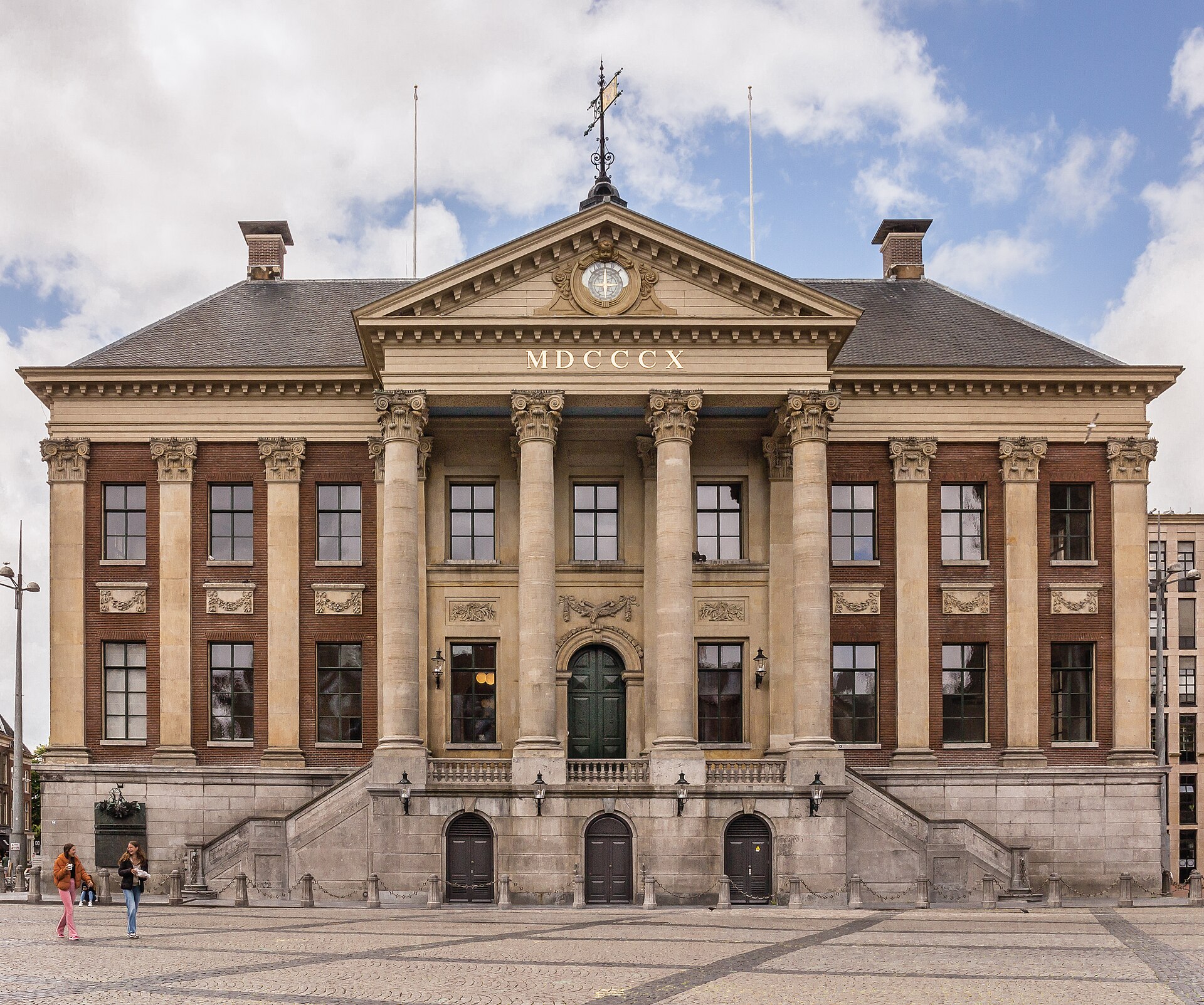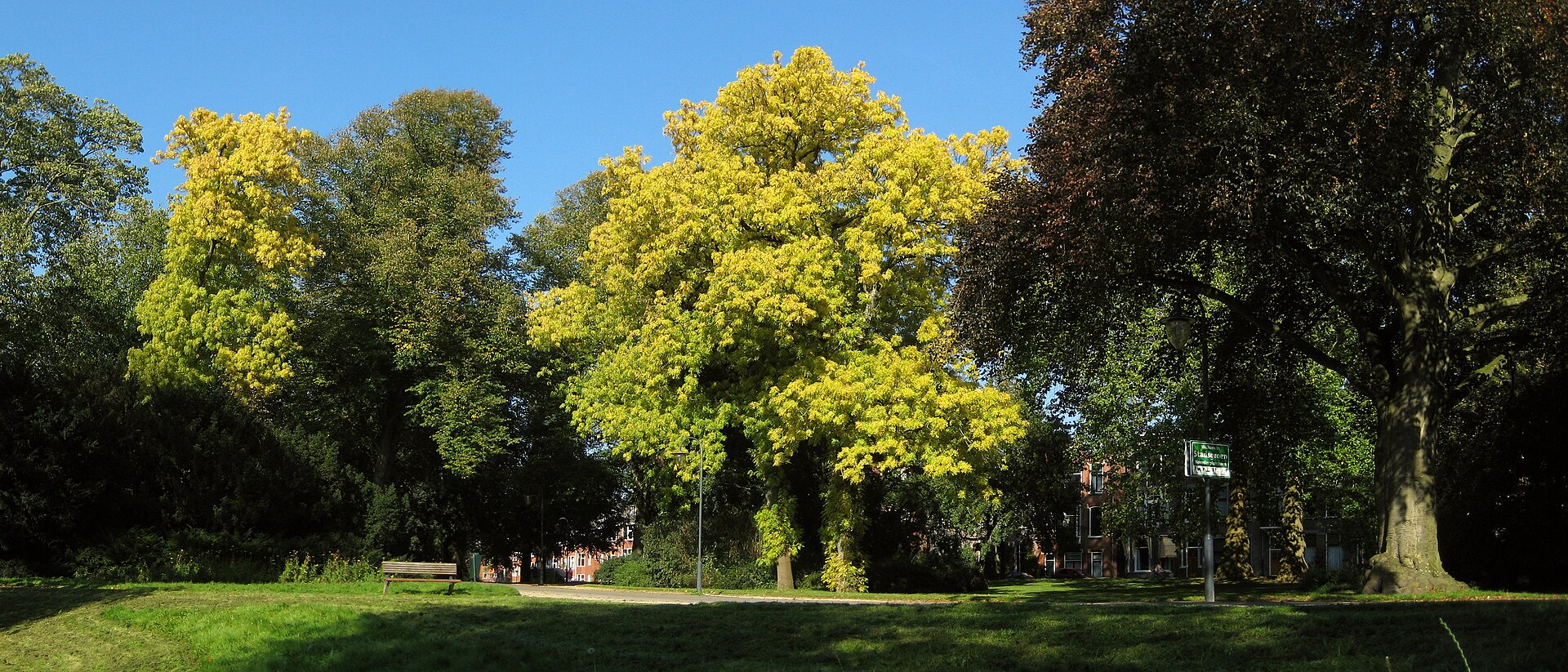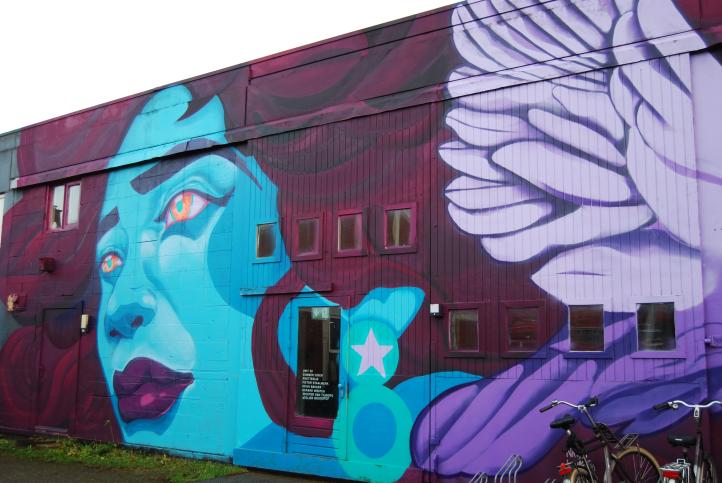
The city's creative character is clearest where old infrastructure and new uses occupy the same frame.
Read the route as a changing city
Begin with a contemporary landmark such as Forum Groningen, then move toward areas where warehouses, yards and former industrial sites have taken on cultural or public uses. Murals and temporary installations may disappear, which is part of the point: this is a route about change rather than a fixed collection.
Stay on public roads and paths. Working sites, railway land and fenced buildings are not shortcuts, even when a photograph looks possible from the other side.
Photograph context, not only surfaces
Include the street, neighbouring building or waterway so the artwork remains connected to Groningen. Avoid identifiable residents and active workers without permission. Finish by checking the city's cultural calendar; the temporary space you pass may be hosting the next exhibition or performance.
Document change responsibly
Record the date, location and wider setting of each work, because a mural may be legal, commissioned, temporary or already scheduled to disappear. Avoid presenting an unsigned piece as the work of a guessed artist. When a signature or project page is visible, use it to find the creator's own account and preferred credit.
Industrial areas contain active logistics, private yards and heavy vehicles. Stay on public routes, make eye contact at crossings and never step backward into a cycle lane for a photograph. Revisit the route several months later and compare what changed. Construction, demolition and new cultural use are not interruptions to the subject; they are the subject.
- Do not touch or climb on artworks and structures.
- Avoid publishing identifiable workers without consent.
- Use daylight for unfamiliar industrial routes.
- Credit the artist and project when verified information exists.