Choose a room, follow its calendar for a month and let one local support act lead you to the next venue.
Start with scale
Groningen's music identity moves between major venues, small stages, bars, churches and temporary festival spaces. Pick the atmosphere you want before the genre: a seated concert, an early club show or a crowded discovery night asks for a different budget and energy level.
Use venue and organiser calendars for the final time, age rule and ticket conditions. Aggregated listings are useful for discovery, but the source running the event is the place to verify changes. Read “doors” and “start” as different times, and check whether a listed end time is a real curfew or only an estimate.
Match the room to the night you want
A useful first map is not based on genre alone. It separates large planned evenings from cheap discovery shows and participatory student events:
- SPOT/De Oosterpoort, Trompsingel 27: the larger-scale choice for touring pop, jazz, classical music and festivals. Hall layouts change by event; current Grote Zaal listings can combine about 1,100 standing places with approximately 700 seats, while other concerts are fully seated. Check the event page rather than assuming that a “concert hall” ticket guarantees a chair.
- VERA, Oosterstraat 44: the city's long-running international pop-underground venue. Mainstage is the larger concert room; Downstage is the basement discovery room. Current Downstage listings are often €5, and some are free with a VERA Club Card, while Mainstage prices vary with the artist.
- Simplon, Boterdiep 69: a two-room venue with roughly 200 events and activities a year, particularly strong in electronic music, hip-hop, pop, metal and punk. Simplon UP presents emerging acts on an intimate stage, normally on Thursday evenings; recent 2026 UP listings were €5.
- Usva, Munnekeholm 10: the University of Groningen's cultural student centre. It is useful when you want participation as well as spectatorship: its programme includes open jam sessions, student-made events and courses. Usva has run jam sessions with free entry and no ticket required.
- EM2, Suikerlaan 6: a live-music and club venue on the Suikerterrein, outside the tight city-centre loop. The setting is part of the experience, but check the cycling route and late return before buying.
These descriptions are starting points, not permanent genre borders. A venue can host a quiet seated performance one evening and a high-volume standing show the next. The individual event page decides the room, layout, access time and rules.
Use a three-step discovery ladder
Do not begin by buying the most expensive ticket in the calendar. Test the scene at three levels and learn what kind of room you actually enjoy.
- Start free: try a Usva jam session or another organiser-confirmed free event. “Free” may still require registration, so reserve a zero-price ticket when the event page asks for one.
- Spend €5 on discovery: check VERA Downstage and Simplon UP. Their recent programmes show that a real local or emerging-artist night can cost less than a single large-venue service fee.
- Choose one planned concert: move to VERA Mainstage, Simplon, EM2 or SPOT when the artist or format justifies a larger monthly commitment.
If you are under 30, check SPOT's eligible youth programme before paying the standard price. SPOT currently advertises selected theatre, dance and classical events at €15 per ticket and a Talent membership of €17.50 that includes one complimentary ticket and presale benefits. The discount does not apply automatically to every concert, so confirm the label on the exact event.
Follow the support act
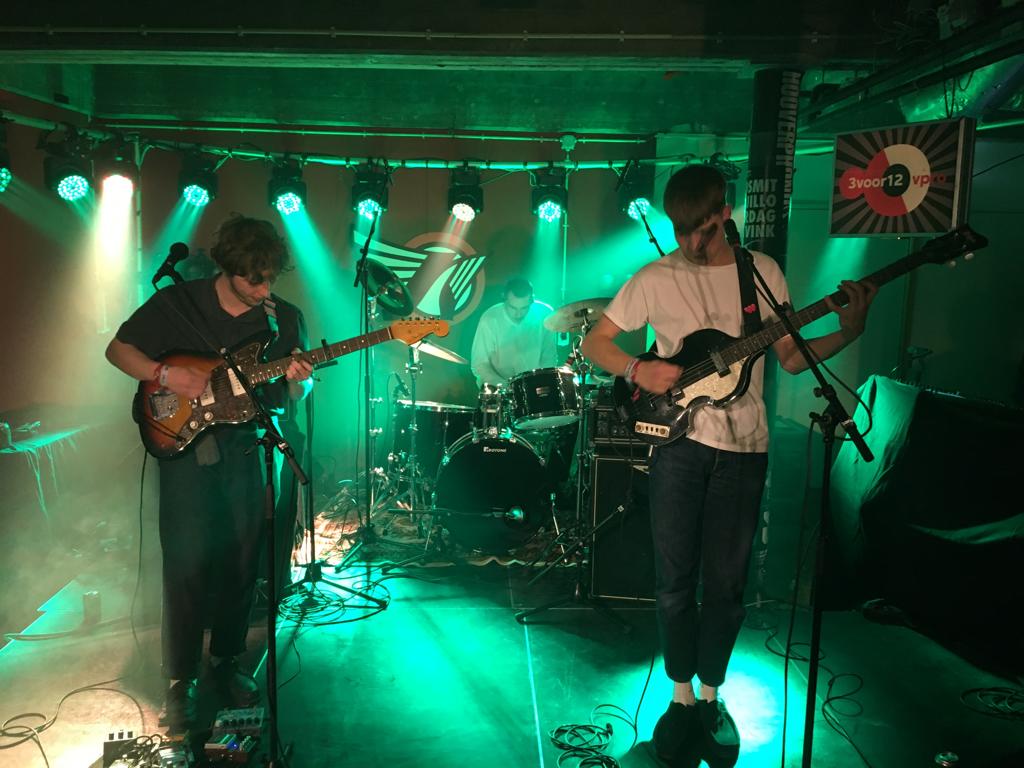
Arrive for the first artist, save the name of one performer you did not know and check where they play next. That habit connects the city's rooms more quickly than scrolling endless recommendations. A support act at VERA may return to Downstage; a Simplon UP act may later appear in the main programme; a Usva jam can lead to a student band or choir performance.
After the show, save one track or follow the artist through a channel they control. If the music mattered, buy authorised merchandise or music when the budget allows. A €5 discovery ticket followed by direct support is more useful to a small act than treating the set as anonymous background content.
- Write down the support act before the room gets dark.
- Take only a few photographs and never use flash.
- Do not film through an entire song while blocking another person's view.
- Check the artist's next local date the following morning, not during the set.
Calculate the whole night before pressing buy
The useful budget is ticket plus unavoidable fees, cloakroom, drinks, food, transport and the amount you may want for merchandise. Keep those lines separate. A €5 ticket remains a cheap night only when late transport, impulse drinks and a lost coat do not turn it into a €40 one.
Use three envelopes in the monthly budget:
- Headline: one event you already know you want.
- Discovery: two €5–€10 shows or one slightly larger emerging-artist night.
- Flex: service fees, cloakroom, a replacement bicycle light, or a last-minute change of plan.
Prices at the door can be higher than presale. For example, an EM2 listing in 2026 showed €19.50 in advance and €24.50 at the door, with service fees excluded. Treat that as an illustration, not a standing tariff: compare the exact presale, door and fee lines for the event you are considering.
Do not buy a discount merely because it exists. A membership pays only when the shows you will genuinely attend create more value than its fee. Review attendance after two months rather than renewing on optimism.
Buy through a route that still works when plans change
Buy from the venue, organiser or the ticket provider linked by them. Save the order confirmation and ticket offline, but never post the barcode in a group chat or social-media image. For resale, use the official platform named by the organiser; a convincing screenshot does not prove that the barcode has not been sold to several people.
Cancellation rules are not interchangeable. SPOT currently allows tickets to be returned up to five working days before an event in exchange for a voucher: self-service return through an account gives 100% of the purchase amount as credit, while a return handled by SPOT gives 90%. Discount actions are excluded, and after the deadline illness or bad weather does not create a return right. Simplon's terms state that when it cancels an event, the ticket amount is refunded but service fees and other costs are not. Read the rules before purchasing, especially for a date near an exam or a trip.
- Confirm the date, venue room and event organiser.
- Check age, bag, re-entry and accessibility rules.
- Read the refund or resale route before payment.
- Store the ticket offline without exposing the barcode.
- Check the official event page again on the afternoon of the show.
Do not treat every age rule as an 18+ rule
Alcohol law and event admission are separate questions. VERA states that it is open to all ages, while alcohol is restricted to people aged 18 or over. Simplon's current house rules say that concerts do not carry a general age limit, recommend adult supervision for visitors under 14, and set an 18+ minimum for night productions. A specific promoter can still impose a different rule, so carry valid identification and check the event page.
Bag and cloakroom rules also differ. Simplon requires bags to be left in the cloakroom. A festival may set a strict size limit, while a smaller show may use a different policy. Arriving with the smallest bag you can manage reduces queues, but it does not replace checking the published rule.
Protect hearing as part of the ticket price
Carry properly fitting earplugs designed for music before you know whether the show will be loud. The World Health Organization explains that risk depends on volume, duration and repeated exposure: around 80 dB corresponds to approximately 40 hours of safer weekly listening, while at 90 dB that falls to about four hours. Concerts and clubs can be substantially louder.
Move away from loudspeakers, wear the plugs correctly and give your ears about ten minutes in a quiet area after each hour of loud sound, as WHO advises. Do not remove one plug because the mix feels uneven; reseat both or move to another position. Ringing, muffled hearing or difficulty following conversation after the event is a warning, not proof that the night was successful. Persistent tinnitus or hearing difficulty deserves professional assessment.
- Keep reusable music-filter earplugs in the same case as your bicycle keys.
- Stand away from speaker stacks even when the crowd leaves an inviting gap there.
- Take a quiet break between sets instead of replacing live sound with loud headphones.
- Ask venue staff whether hearing protection is available if you forgot yours.
Check accessibility before tickets become scarce
“Accessible venue” does not mean that every room inside it has the same route. VERA states that its Mainstage is wheelchair accessible and has a lift and accessible toilet, but its Downstage basement is not wheelchair accessible. It asks visitors who need arrangements to contact the venue in advance.
SPOT states that its buildings offer wheelchair places in every hall, though numbers are limited. De Oosterpoort also lends sound-amplifying headphones and provides induction loops suitable for hearing aids with a telecoil, free of charge through the box office. SPOT asks visitors to contact the box office for companion tickets, early entry or seating help rather than solving those needs at the door.
If crowds, strobe effects, standing or sound levels affect you, ask the organiser a concrete question: where is the quietest usable position, is seating guaranteed, can you enter early, and can you leave and re-enter? The answer for one room or promoter should not be carried over to the next event.
Treat festival week as a different operating system
ESNS turns central Groningen into a multi-venue showcase network rather than one normal concert. ESNS 2027 is scheduled for 13–16 January 2027, with Noorderslag on Saturday 16 January at De Oosterpoort. As of 27 August 2026, public festival tickets were not yet on sale; ESNS directs buyers to its own webshop and official resale platform and warns that it does not sell festival tickets through third parties.
A festival wristband gives access to the programme, not a guaranteed place at every showcase. Choose three priorities per night, arrive early for the first and keep one nearby alternative for each later slot. Do not plan five cross-city transfers with no queue time. During the most crowded week, the artist you discover because Plan A was full may become the point of the festival.
The current ESNS visitor information says the festival has no general age limit, but visitors under 16 must be accompanied by a parent or guardian. Festival locations are card-only, and bags larger than A4 are not accepted. Recheck those details when 2027 ticket sales and the final timetable are published, because operational rules can change between editions.
Plan the last kilometre before the encore
Agree on a precise meeting point that still works when mobile data is slow: the named cloakroom counter, a numbered entrance or a specific street corner away from the exit flow. Share the route home, but do not rely on live location as the only plan.
Park bicycles only in a rack, marked bay or authorised facility and photograph the row in a large storage area. Use a frame lock plus a second lock through the frame. Do not cycle while holding a phone, and do not ride after drinking when you are no longer safe to take part in traffic. Check the last practical bus before doors open; after midnight is the wrong time to discover that the fallback stopped an hour earlier.
- Save the ticket, route home and one contact number offline.
- Carry lights and test them before leaving the venue.
- Leave together or confirm clearly when someone is changing plans.
- Ask staff or security for help when a person feels unsafe or unwell.
Build a music calendar you can afford
Choose one paid headline event and reserve a smaller amount for low-cost discovery shows. Subscribe to the calendars of two venues with different scales—VERA and SPOT, or Simplon and Usva, for example—then check them once a week instead of reacting to every announcement. Include service fees, cloakroom, transport and drinks when deciding whether a ticket fits the month.
On the night, arrive in time for support acts and stand where you can hear comfortably without blocking circulation. Earplugs protect hearing without removing the experience and are worth carrying even when you do not expect a loud show. If a venue or promoter changes the time, use the ticket provider's official update rather than a screenshot passed through a group chat.
- Monday: spend ten minutes checking two venue calendars.
- Before buying: calculate the full-night cost and check the return policy.
- Day of show: confirm doors, start time, support act, room and access rules.
- After the show: record the artist you discovered and the actual amount spent.
- End of month: keep the venues and memberships you used; unsubscribe from noise.
- Save the ticket offline before leaving home.
- Check bag, age and re-entry rules.
- Support artists through authorised merchandise when your budget allows.
- Plan a precise meeting point for a crowded venue.