Cook one generous main, ask guests to bring the edges and clear the shared kitchen before anyone arrives.
Choose food that waits well
A soup, stew, tray bake, curry or big pasta sauce is more reliable than six individual portions that must finish together. Ask about allergies and dietary requirements before shopping, label anything uncertain and keep one component separate when that makes the meal safer for everyone.
Do the chopping and long cooking before the first guest arrives. Reserve one clean surface for serving and move empty pans out of the way as soon as they are finished. Choose a main dish that improves after resting and can be reheated evenly; leave crisp toppings, herbs, yoghurt and bread until the last few minutes.
For six people, plan one substantial main, one fresh or crunchy side and bread or a simple dessert. That is enough variety for a student kitchen. Adding several small dishes creates more pans, more allergens and more timing problems without necessarily making dinner better.
Use one real six-person menu as the calculation
A tomato, lentil and spinach curry is a useful template because the base can be vegan, it can be cooked ahead and yoghurt or chilli can stay optional. The quantities below are a planning example for six moderate adult portions. Increase the rice and curry by about 20% if there is no starter, your guests have large appetites or you want guaranteed lunch leftovers.
| Component | Quantity for six | Practical note |
|---|---|---|
| Dry rice | 600 g | Cook close to serving time and follow the packet water ratio. |
| Dry red lentils | 400 g | Rinse and cook fully in the sauce. |
| Chopped tomatoes | 2 cans of about 400 g | Own-brand cans are usually adequate for a cooked sauce. |
| Coconut milk | 2 cans of about 400 ml | Check the label and ask specifically about coconut allergies. |
| Spinach | 600–750 g frozen | Easy to store; heat it thoroughly in the curry. |
| Onions | 3 medium | Cook these before guests arrive. |
| Garlic and ginger | To taste | Keep the flavour moderate; offer extra chilli separately. |
| Cucumber side | 2 cucumbers | Dress shortly before serving so it stays crisp. |
| Optional yoghurt | 500 g | Serve in its original container or a clearly labelled separate bowl. |
Stock cubes, curry pastes and spice blends can contain allergens such as celery, mustard, milk, wheat or soy. Read the actual package rather than relying on the recipe name. If one guest cannot eat an ingredient, change the shared base where practical; a separate garnish is safer and easier than trying to remember which of six nearly identical bowls is different.
Ask the allergy question before choosing the menu
Send one clear message at least two days ahead: “Do you have a food allergy, coeliac disease, intolerance or dietary requirement, and how strict does separation need to be?” Do not reduce the question to vegetarian versus meat. The Dutch food-safety authority lists 14 regulated allergen groups for food businesses, including gluten-containing cereals, egg, fish, peanuts, nuts, soy, milk, crustaceans, molluscs, celery, mustard, sesame, sulphites and lupin. A private dinner is not a restaurant, but the NVWA list is a useful prompt for questions you might otherwise forget.
Keep packages until dinner is over so a guest can read the ingredient list. Never promise that a dish is “allergen-free” when you cannot control traces in a shared kitchen. For a serious allergy or coeliac disease, ask the guest what they need and be honest about your equipment and surfaces. Clean the worktop and utensils, prepare the safer dish first, use separate serving spoons and keep crumbs, flour and shared butter away from it. If you cannot provide the necessary separation, say so early and agree on a sealed alternative rather than improvising after arrival.
Shop from a list built around overlap
Check the cupboards, freezer and available fridge space before buying. Write the list by department—produce, tins and grains, chilled items, drinks—then record the price beside each item as you shop. Compare the price per kilogram or litre, not only the shelf label, but do not buy a larger pack unless the household has a plan for the remainder.
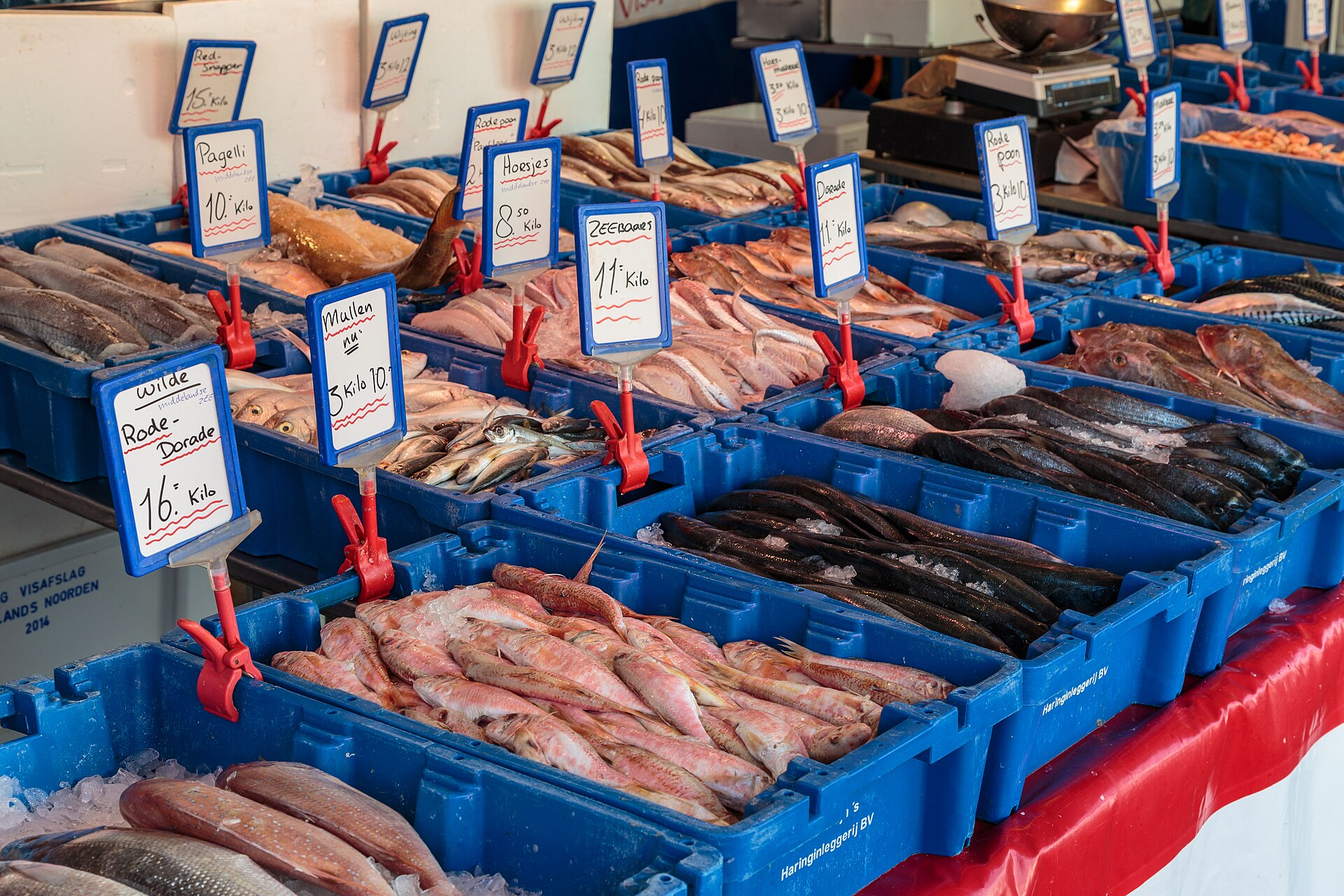
In Groningen, the municipality currently lists the main city-centre market on Tuesday, Friday and Saturday from 09:00 to 17:00 around the Vismarkt, A-Kerkhof and Grote Markt. Market layout can change during city works and hours can change on holidays, so check the municipal market page before making it the only shopping option. Walk the produce stalls once before buying, then compare the total with a supermarket rather than assuming the market is always cheaper.
For a fair cost split, photograph one receipt and subtract anything the host is keeping for personal use. Agree beforehand whether drinks, dessert and reusable pantry ingredients are shared costs. Dividing an unexplained total after dinner is how a relaxed meal becomes an awkward payment request.
Use a 48-hour preparation plan
- Two days before: confirm the number of guests and dietary requirements. Check that you have one large pot, one rice pan, six safe seats, enough bowls and working hob space.
- One day before: shop, make room in the fridge and chill only what needs chilling. Keep receipts and ingredient packages. Ask assigned guests to confirm bread, dessert or drinks.
- Three hours before: clean the work surface, empty the sink and start the curry. Chop everything before the busy cooking begins.
- Ninety minutes before: finish the curry, taste it and correct salt or acidity. Cool and refrigerate it if it will not be reheated promptly; do not leave a warm pot on the counter for the afternoon.
- Forty-five minutes before: cook the rice, prepare the cucumber and place water and glasses outside the cooking zone.
- Fifteen minutes before: reheat the curry until it is steaming hot throughout, stir well and check the centre. Put labelled toppings and separate serving utensils on the table.
- When guests arrive: stop adding complicated tasks. Greet people, explain the food once and serve while it is properly hot.
Borrow help, not six extra cooks
Ask one guest for bread, one for dessert and one for drinks; everyone else can bring a container for leftovers. Give each person a quantity and arrival time, not a vague instruction to “bring something.” For example: two loaves, one dessert for six, or enough non-alcoholic drinks for one glass per person plus refills.
Tell housemates the start and finish time, keep fire exits and corridors clear and clean the shared space that night. Check whether anyone needs the kitchen during your preparation window and do not occupy the only fridge shelf without agreement. Hospitality feels generous when the flat still works the next morning.
Once cooking begins, give helpers closed tasks: fill water jugs, set out bowls, collect coats or wash one board. Six people choosing where knives and hot pans should go is not cooperation. The host keeps responsibility for heat, allergens and the final check of the kitchen.
Turn one small kitchen into three zones
Make a hot zone around the hob, a clean serving zone on one counter or table and a guest zone for drinks and conversation. Bags, coats, phone chargers and extra chairs belong outside the first two. Put rubbish and recycling where guests can find them without crossing behind the cook.
Keep raw ingredients and ready-to-eat food separate, use clean boards and utensils and wash hands after handling raw food or waste. The Voedingscentrum separation guidance recommends keeping raw and prepared food apart and cleaning used materials with hot water and washing-up liquid. A clean tea towel and an empty sink are more useful at this point than decorative table settings.
Use a service plan, not restaurant timing
Put water, glasses and the first snack where guests can reach them without entering the cooking area. Serve the main dish in one or two large containers and let people sit wherever the room safely allows. Food that is warm and generous beats six plates cooling while the host searches for matching cutlery.
Name every dish and point out the separated components before people serve themselves. Put one utensil with each bowl and do not move it between dishes. Let the guest with the strictest dietary requirement serve first when that reduces cross-contact. Keep package labels together in the kitchen until everyone has eaten.
Serve a first portion that leaves a little food in reserve. Guests can take seconds, while uneaten food that remained clean and hot is easier to store safely than six overfilled plates. Do not keep topping up one large buffet dish for hours; place out a sensible quantity and refrigerate suitable extras promptly.
Follow the two-hour leftover clock
Dutch guidance gives a simple boundary: cool cooked leftovers and put them in the refrigerator or freezer within two hours. Set the fridge to about 4°C, use shallow clean containers, add the date and eat refrigerated leftovers within two days. The Voedingscentrum leftover guidance gives about three months as a freezer limit for suitable cooked leftovers.
Rice and pasta deserve particular care because spores of Bacillus cereus can survive cooking and grow when food stays warm too long. Divide large quantities so they cool quickly; if needed, place the container or pan in cold water and stir before refrigerating. Do not put a huge steaming pot directly into an overloaded student fridge, but do not wait for it to become completely cold on the counter either.
Reheat only the portion that will be eaten and heat it until steaming hot throughout, stirring midway. Avoid reheating the same leftovers repeatedly. If nobody knows how long a perishable dish has been at room temperature, throwing it away is safer than using smell as a test.
Know the pan-fire response before dinner
Keep pan handles and electrical cables away from crowded edges, use the back rings where practical and never leave frying unattended. Make sure the route to the door is clear and check that the home has working smoke alarms. In the Netherlands, a smoke alarm is required on every residential floor that contains a living room, bedroom or kitchen; the owner or landlord is responsible for installation, while residents should still test it regularly. See the Dutch government smoke-alarm guidance.
If oil or fat catches fire, the Dutch fire service says never use water and do not move the pan. Turn off the heat and extractor if you can do so safely, cover the pan with a correctly fitting lid or baking tray, and leave it covered until completely cool. If you cannot control the situation safely, get everyone out, close doors behind you and call 112. Read the Brandweer Nederland instructions before you need them.
Make drinks part of the hosting plan
Start with cold tap water on the table and provide an appealing non-alcoholic option without requiring anyone to explain why they want it. If alcohol is present, do not build the food budget around it and do not pressure guests to keep pace with the group. The person cooking should remain able to manage heat and sharp tools safely.
Agree on an end time that respects housemates and neighbours. Guests who have been drinking should not cycle if they are not fit to ride; walking, public transport or a licensed taxi is a normal part of the plan. A successful dinner includes a safe route home, not only a full table.
Reset the room in fifteen minutes
Before guests leave, divide leftovers into clean containers and decide who will take them. Label the dish and date, explain when it entered the fridge and do not hand someone a warm container that will remain in a bag for hours. Two small portions are usually more useful than one large mixed box.
Ask two people for a five-minute reset: one clears the table while the other washes or stacks. Scrape plates, soak the main pot and wipe any spills before they dry. The host should still check that the hob and oven are off, taps are closed, windows and doors are secure, food is refrigerated and the escape route is clear after the social energy disappears.
- Keep pan handles and cables away from crowded edges.
- Use separate utensils when an allergy requires it.
- Tell guests clearly which food is vegetarian, vegan or allergen-aware.
- Refrigerate perishable leftovers within two hours and date them.
- Return borrowed chairs, plates and kitchen tools the next day.
Keep the reusable version for next time
Save the final shopping list, quantities, total shared cost and one note about what ran out or remained. If six people ate 600 grams of dry rice but half the curry remained, adjust only the curry next time. Real household data is more useful than guessing from a different recipe or a social-media photograph.
Also record which tasks were genuinely helpful. A guest who brought ready-to-serve bread saved work; a complicated dessert that needed your oven during the main course did not. The second dinner becomes cheaper and calmer when the menu, equipment and delegation improve from evidence rather than memory.