The strongest exam plan includes a second study location and a stopping time—not just a longer list of chapters.
Match the place to the task
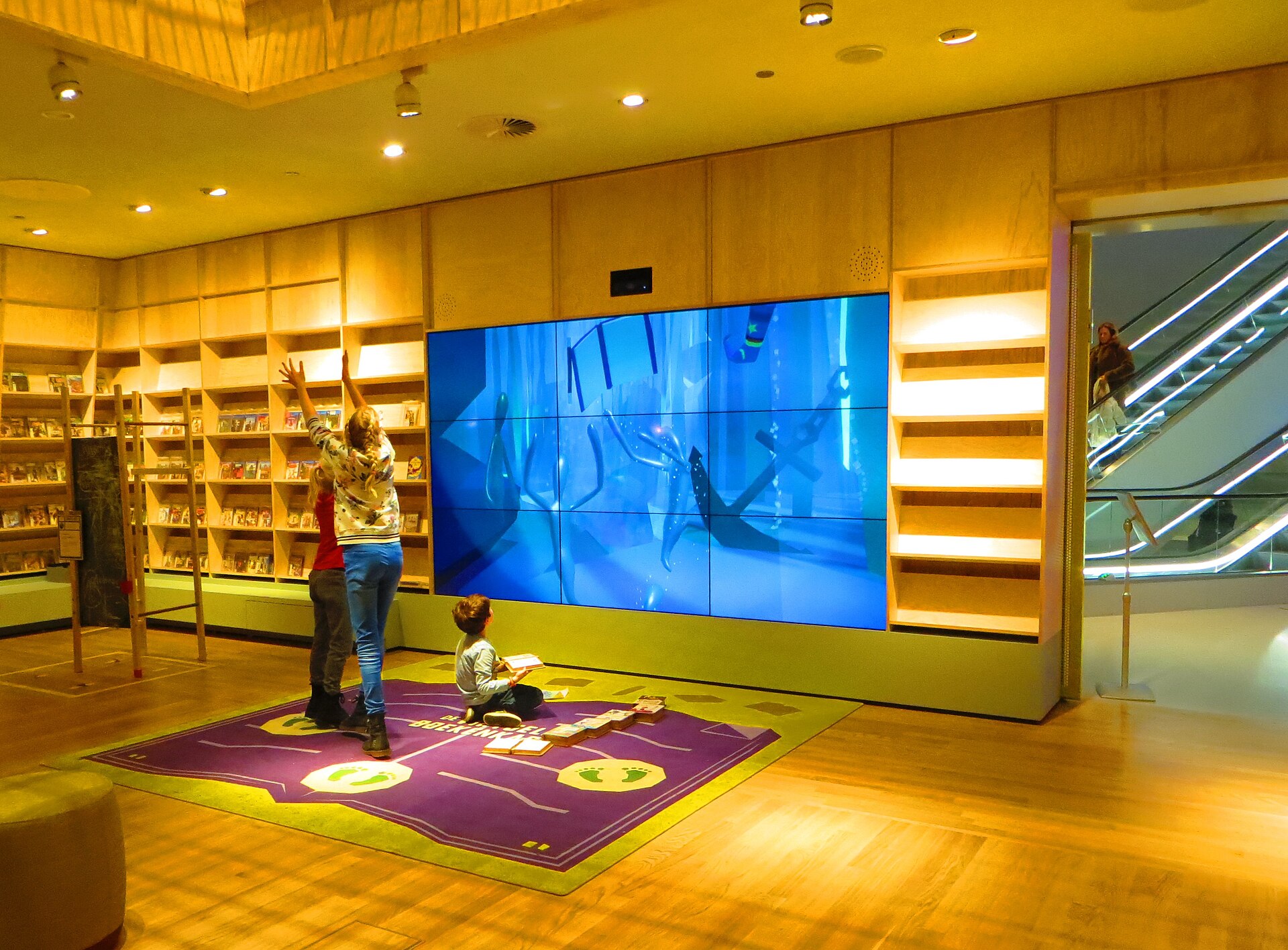
Use quiet library time for difficult reading or practice problems and save flashcards, planning or group review for more flexible public spaces. Check current opening and access rules before travelling, especially during exam periods. If booking is available, reserve only the time you will genuinely use.
Carry water, a simple meal and the charger that fits your device. Small missing items turn into expensive breaks when every nearby table is occupied.
Plan the exit from each day
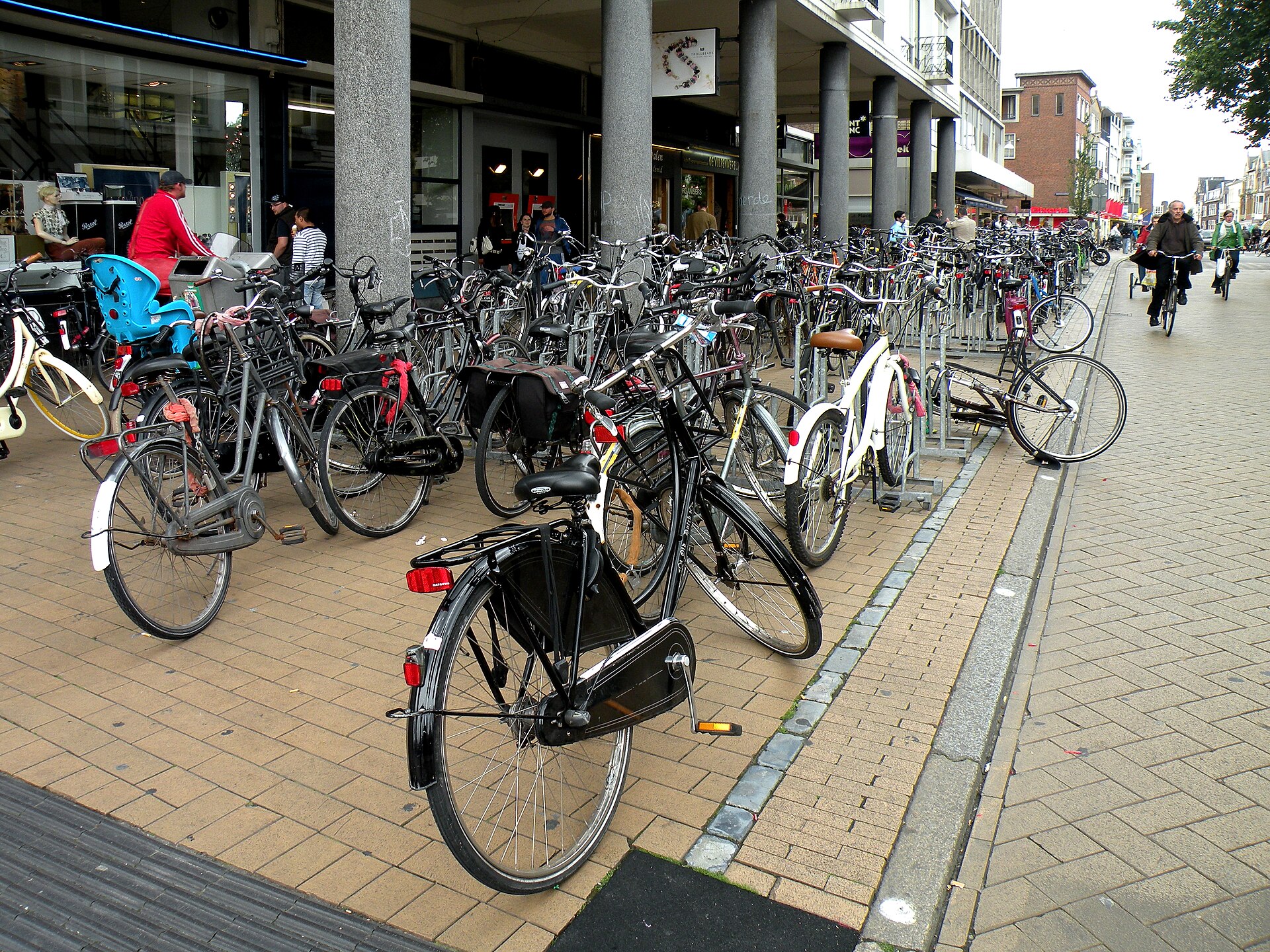
Set one measurable target for the final block and stop at a defined time. A short walk or bike ride home creates a boundary between revision and sleep. The evening before an exam is for confirming the location, ID and travel time—not redesigning the entire course.
Use evidence, not anxiety, to set priorities
Begin with practice questions, learning outcomes or a blank-page recall test. The topics you cannot explain without notes deserve the next block; rereading familiar material because it feels productive does not. Group errors into concepts, calculation steps and memory gaps, then choose a method that matches each one.
Protect the final evening from new resources. Review the error list, pack what the exam rules allow and confirm the room and travel plan. Eat something familiar and set two alarms without sacrificing most of the night to another chapter. After the exam, write down any administrative concern while details are fresh, then stop comparing answers with everyone leaving the room.
- Practise under a realistic time limit at least once.
- Check permitted calculators, notes and identification.
- Use short movement breaks instead of scrolling at the desk.
- Contact the stated university route early for illness or exceptional circumstances.